
What Is the Best Leave-In Conditioner for Curly Hair?
The best leave-in conditioner for curly hair depends on two things: your curl pattern and how much damage your hair has taken. Loose curls usually want a spray or milk. Tight curls and coils want a cream. Bleached, colored, or heat styled curls want something richer. Check that water sits near the top of the ingredient list, put it on damp hair, and keep it off your scalp.
Curls need the extra help. The American Academy of Dermatology notes that curly hair generally needs more conditioning than straight hair, and that a leave-in made for curls can help.
Why curly hair benefits from a leave-in
Every bend in a curl is a place for strands to catch on each other. A review in the International Journal of Trichology explains that conditioners and leave-on products cut friction between fibers so hair combs more easily, and it specifically suggests leave-ons for wet combing curly hair. Combing without that slip can lead to breakage. Fewer tangles, fewer snapped ends. That's the job.

Two things decide which leave-in you need
Your curl pattern sets the weight
Loose waves and curls get flattened by heavy creams, so start with a spray or a light milk. Defined medium curls usually sit well with a milk or a thin lotion. Tight curls and coils can take a cream or butter-based leave-in, often with oil layered over it.
Dermatologists say the same thing in simpler terms: more product on thick hair, less on fine hair. Mist sprays over mid-lengths to ends and work them in with your hands. With creams, rub a small amount between your palms first.
Your hair's condition sets the formula
Damaged hair behaves differently. According to the trichology review, it's intensely porous, bleached and chemically treated hair is more porous than untreated hair, and it carries more negative charge, which pulls conditioning ingredients in more strongly. In practice, colored or bleached curls usually want a richer leave-in, sometimes with a little hydrolyzed protein and an oil on top. Untreated curls that feel coated easily tend to do better with a lighter, water-first formula.
What to look for on the label
- Water near the top. If an oil or butter comes first, it's closer to a sealant and works best layered over a leave-in.
- Moisturizers dermatologists name in their curly hair tips: argan oil, glycerin, and fatty alcohols like cetyl or stearyl alcohol. Fatty alcohols add slip. They aren't the drying kind.
- Silicones such as dimethicone, if you like them. The review calls them the most used conditioning agents and notes they help protect against abrasion.
- Hydrolyzed protein for damaged hair. Low molecular weight proteins can help protect against chemical and environmental damage, though they don't rebuild keratin that's already damaged.
- Heat protectant if you diffuse or blow dry. The package will say so if it has one.
Don't water down your rinse-out conditioner in a spray bottle. The AAD warns that rinse-out formulas contain detergents that can damage hair if they're left in.

How to apply it
- Shampoo your scalp and condition all of your hair in the shower, not just the ends.
- Towel off gently until it's slightly damp, not dripping.
- Work the leave-in through in sections, mid-lengths to ends, staying off the scalp so it doesn't build up.
- Detangle with your fingers or a wide-tooth comb while you've got the slip.
- If you use gel or oil, layer it on while hair is still damp.
You can use a leave-in after every shampoo, and the AAD says that kept off the scalp, it can stay in up to a week before you wash it out. Between washes, wet your hair, add a bit of leave-in, and detangle in sections. Brushing dry curls is how breakage happens.
Signs you're using too much
Great on day one, limp and coated by day three. That's usually too much product, not too little. Cut the amount in half. If you use a lot of styling products, start the next wash with a clarifying shampoo, as dermatologists suggest, and give any new leave-in a few wash days before you call it.
Then protect the work
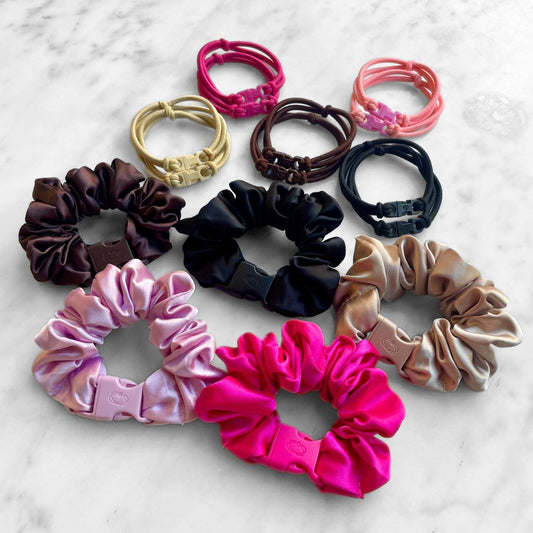
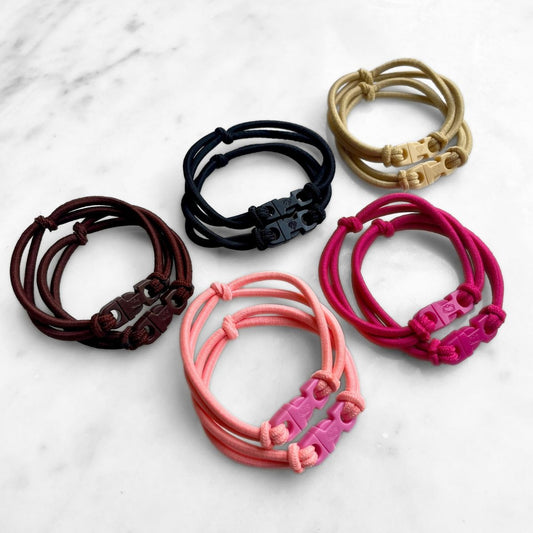
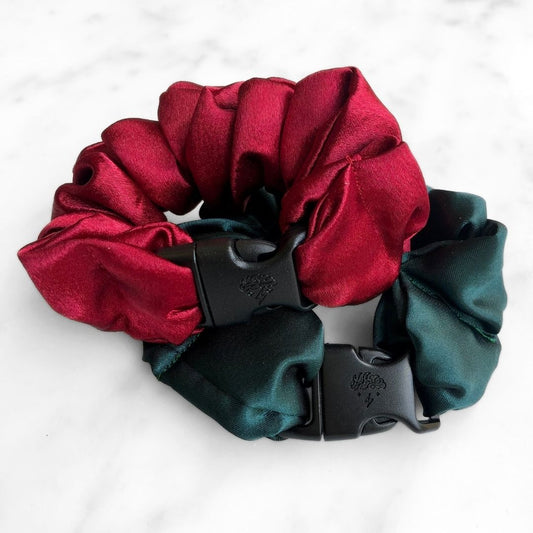
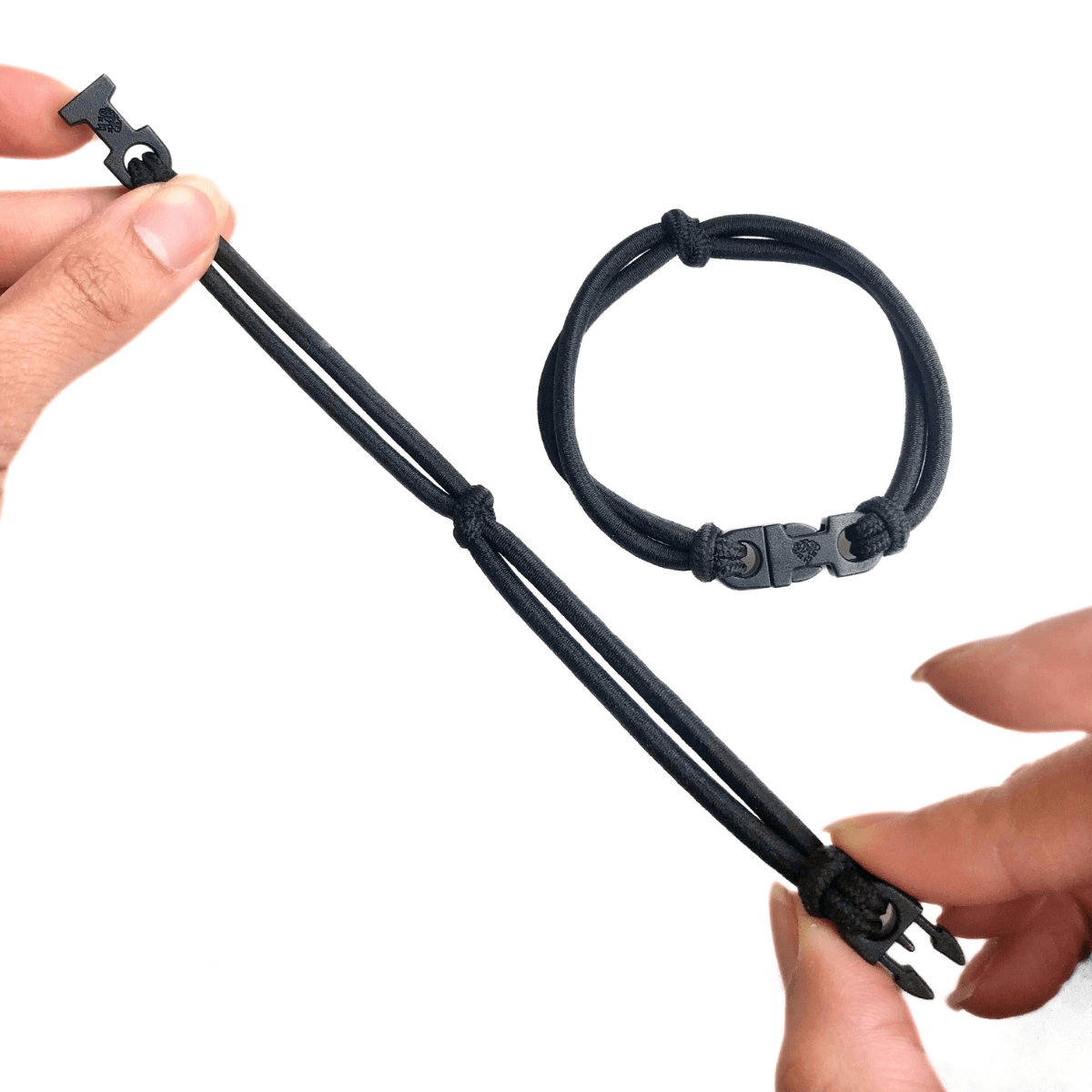
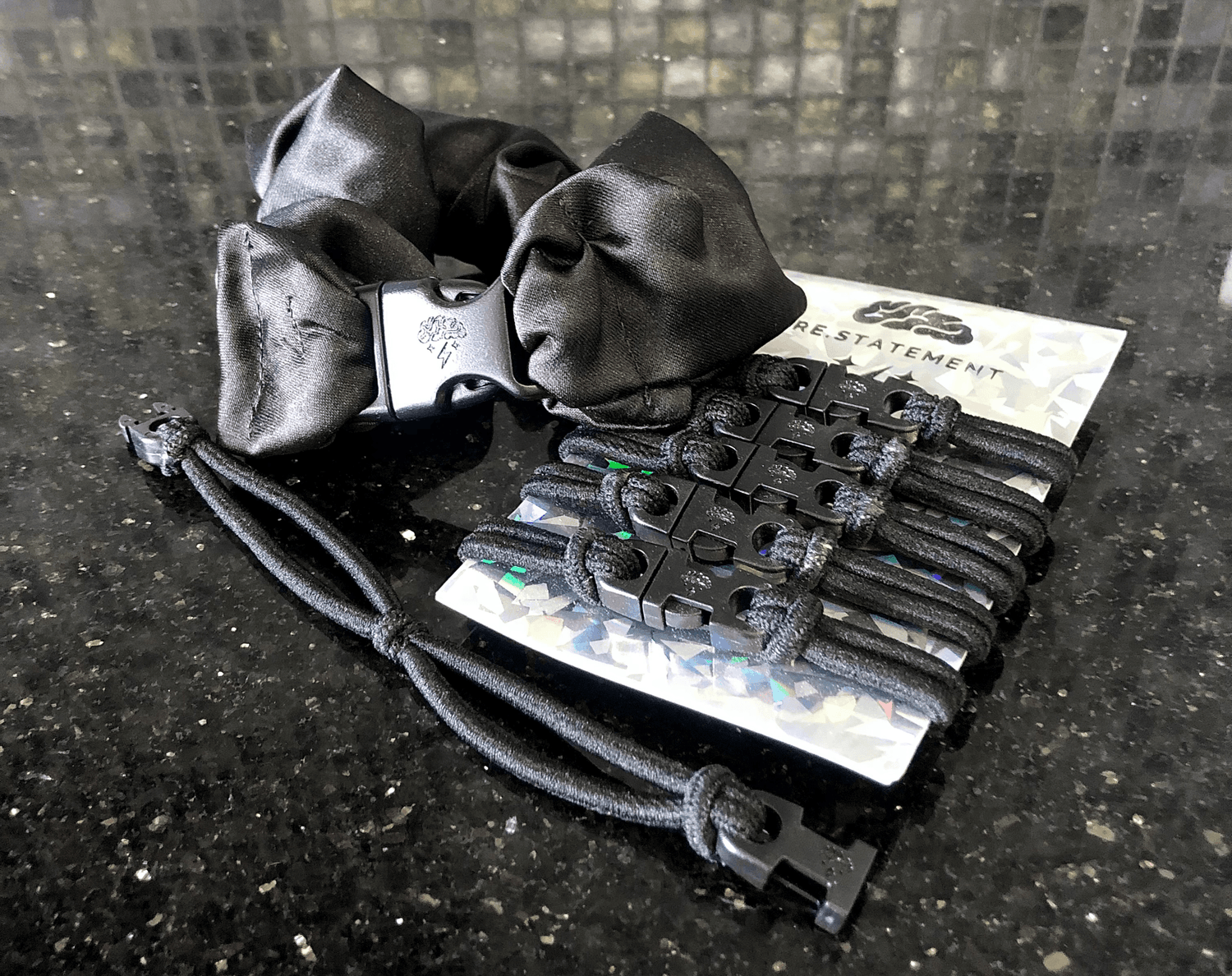
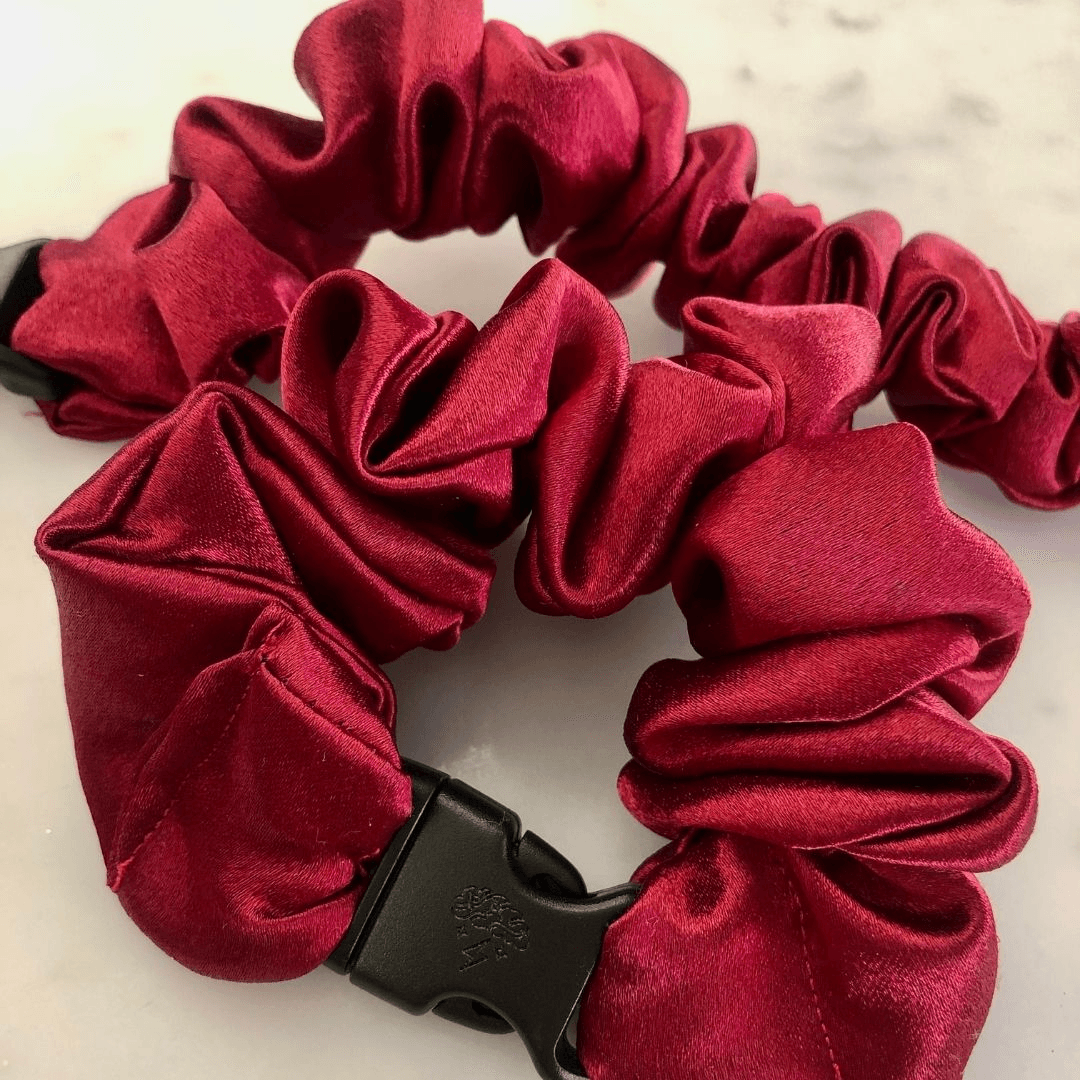
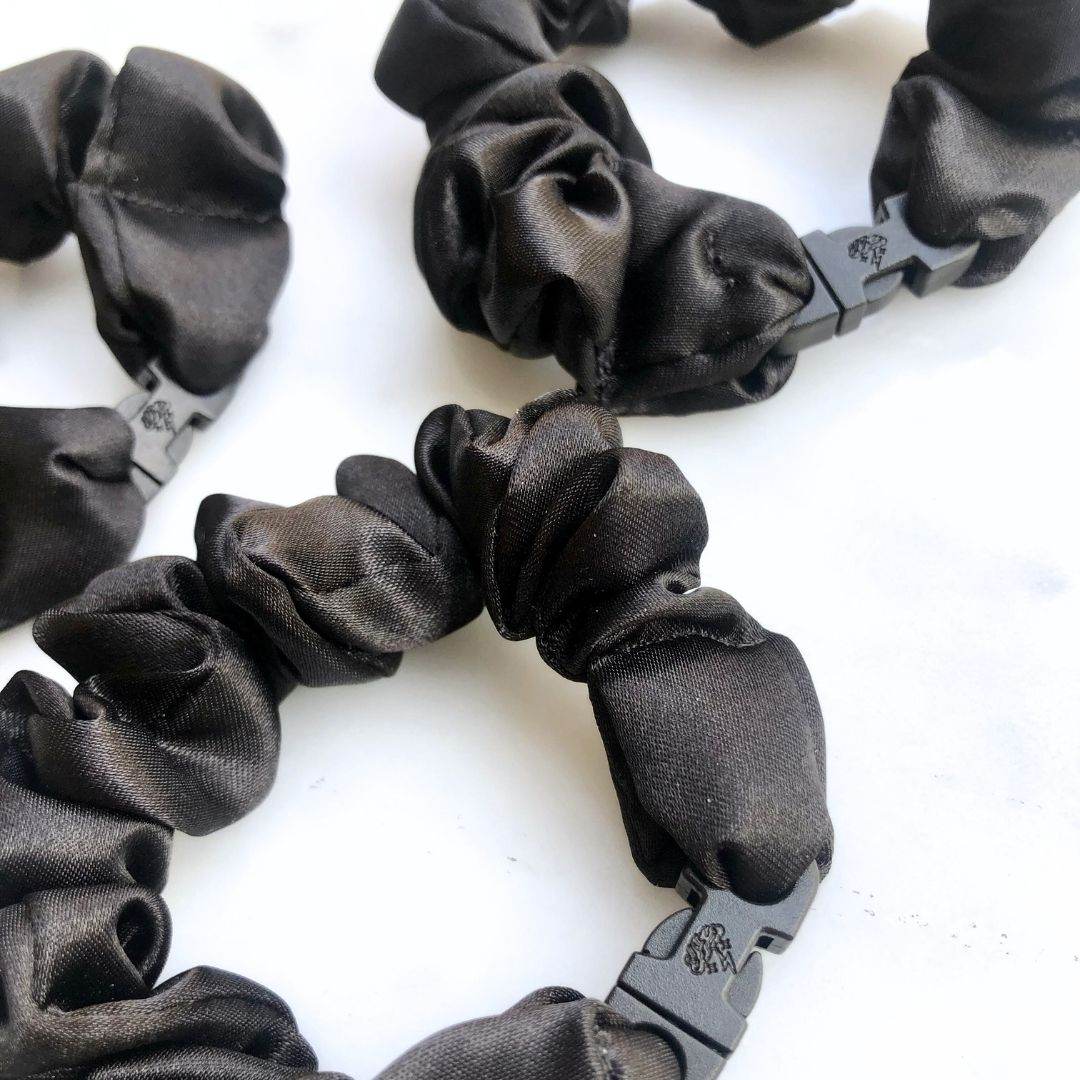
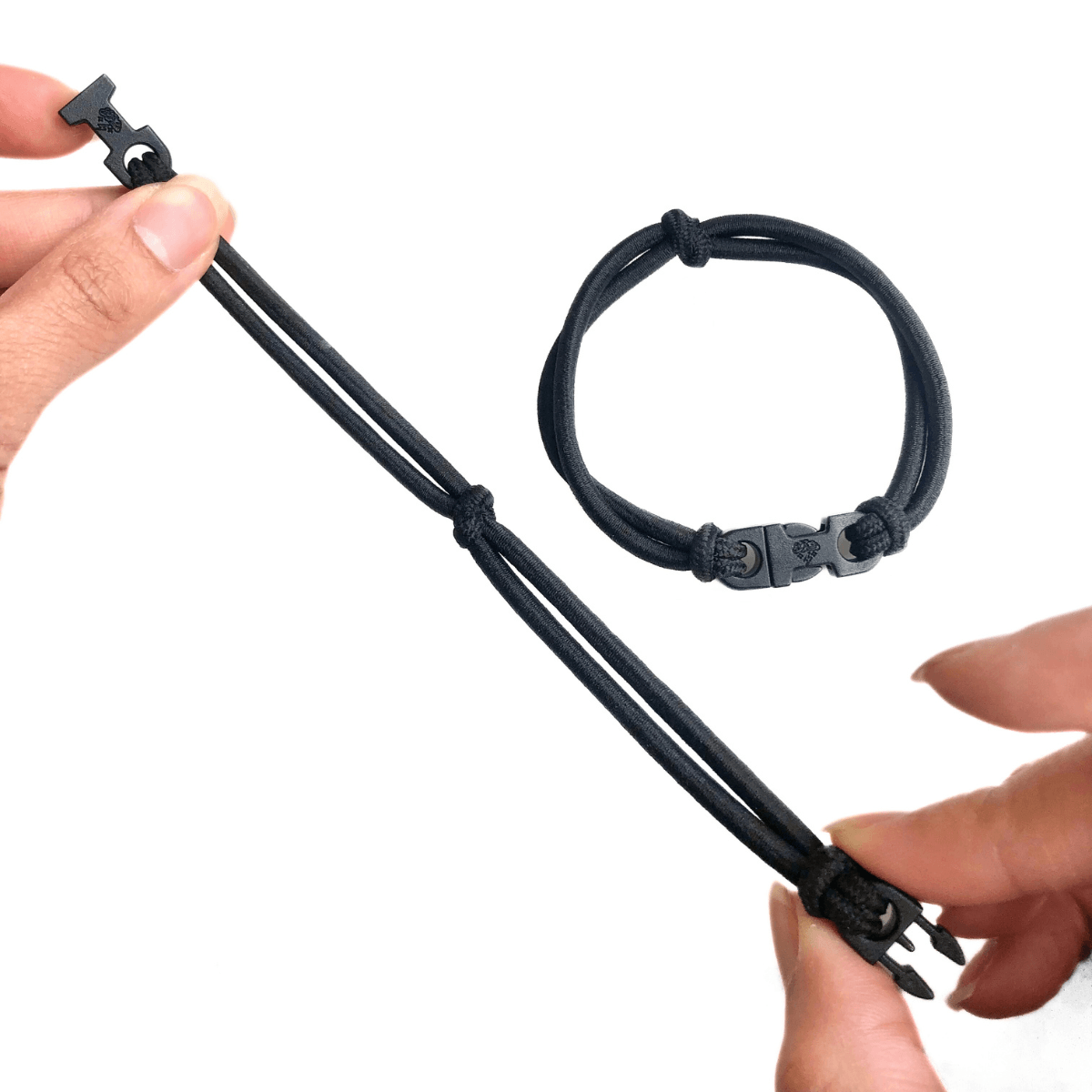
A good leave-in keeps curls soft for days. Pulling an elastic out of a curly ponytail can undo that in a second, with strands catching and stretching on the way out. Buckle Scrunchies for curly hair click open at the buckle, so your curls drop with nothing sliding through them. Our How It Works page shows the click.

Keep your wash day curls intact: the Buckle Hair Tie clicks open instead of rolling out, so there is no snagging or tangling on the way down.
Add the 5 pack to cart, $12Building out the rest of your routine? See our guides to products for natural hair and products for wavy hair.
FAQ
Do I need a leave-in if I already use conditioner?
Most curly hair does better with both. Plenty of people pair a rinse-out with a leave-in, especially with curly, dry, long, or color treated hair.
Should I apply leave-in to wet or damp hair?
The AAD says slightly damp. Lots of curly routines go wetter than that. Just don't wait until it's dry.
Can I put leave-in on my scalp?
Keep it on the hair. On the scalp it builds up and looks greasy.
What if my hair still breaks?
Look at heat, tight styles, and how you take your hair down. If it keeps breaking even with conditioner and a leave-in, see a board-certified dermatologist. Our hair breakage guide covers the rest.