
What Products to Use on Natural Hair
Natural hair needs moisture, sealed in, and as little manipulation as you can get away with. Almost every product decision follows from those three things.
Cleansing
Sulfate free is the baseline. Coils and tight curls are already dry because scalp oil cannot travel down a strand that bends that many times, and a harsh surfactant takes the little that made it there.
A cleansing conditioner or co wash works well between full washes. Do a clarifying wash every four to six weeks though, because butters and oils build up and eventually block moisture rather than holding it.
Focus the wash on your scalp. The length gets clean from the runoff.
Deep condition every wash
Not occasionally. Every time. Natural hair loses moisture faster than any other texture and a rinse out conditioner alone does not put enough back.
Heat helps. A plastic cap and twenty minutes, or a steamer if you have one. Warmth lifts the cuticle enough for the conditioner to actually get in.
Alternate moisture masks with protein treatments. Hair that feels limp and overstretched wants protein. Hair that feels stiff and snaps dry wants moisture.
Leave in, cream, oil, in that order
The order is not optional. Water based leave in first while your hair is soaking wet. Then a cream or butter to hold that water in. Then an oil to seal the whole thing shut.
Reverse it and the oil goes on first and blocks everything behind it. This is the most common mistake in natural hair routines and it makes the entire wash day pointless.
Work in four to six sections. Trying to do it all at once means half your head gets nothing.
Sealing oils that suit the hair
Jojoba is closest to natural sebum and is a safe default. Castor is heavy and good for edges and ends. Shea butter is the workhorse for thick coils. Argan and grapeseed are lighter if your hair goes greasy fast.
Coconut oil is polarizing for a reason. It penetrates the strand rather than just coating it, which some hair loves and some hair finds stiffening. Try it and pay attention.

Protective styling and the part nobody warns you about
Braids, twists, and buns keep your ends tucked away from friction, which is exactly right. The problem is what happens at the base.
Tension at the hairline is the leading cause of traction alopecia, and it comes from styles pulled tight and from taking them down badly. A protective style stops being protective the moment the elastic holding it has to be dragged out through the hair.
You will feel it as breakage right at the ponytail line and thinning at the temples while the rest of your hair is healthy. That is a mechanical problem, and no butter fixes it.
Take it down without the fight
Satin at night, always. Bonnet, pillowcase, or both. Cotton wicks moisture straight out of your hair while you sleep.
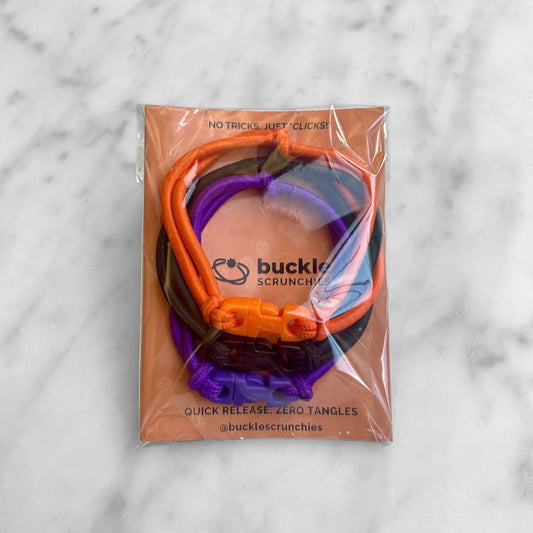
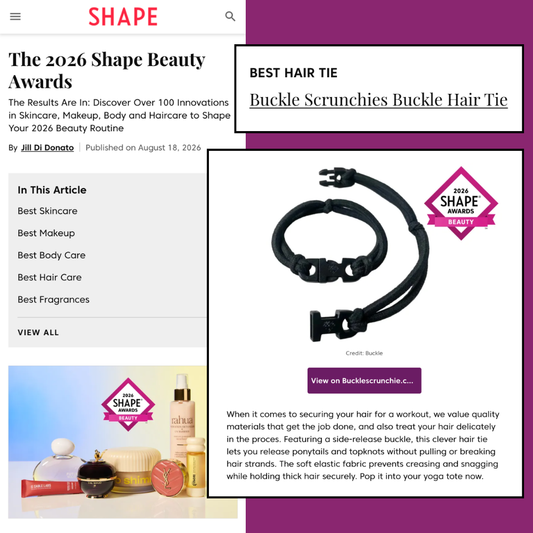
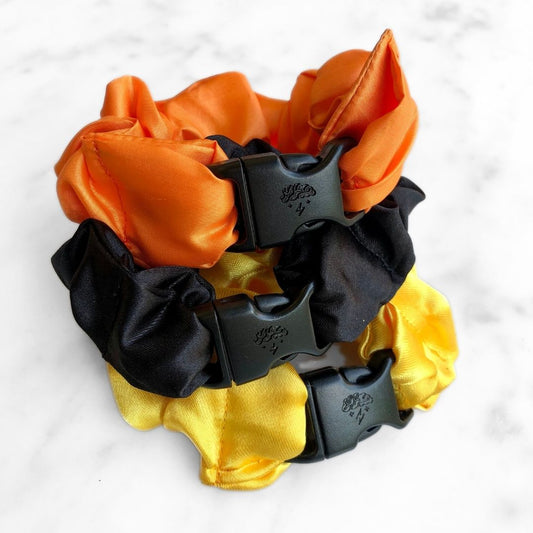
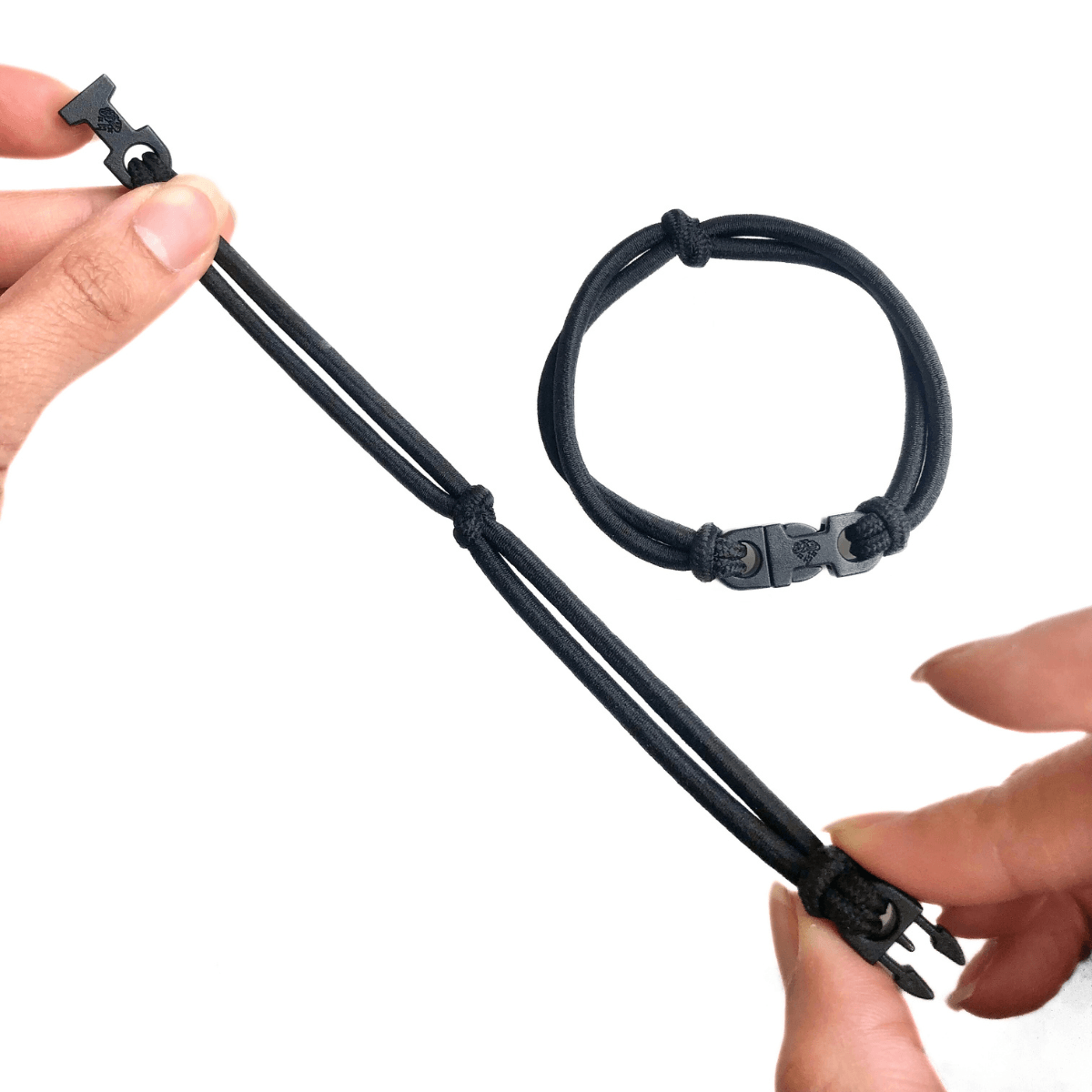
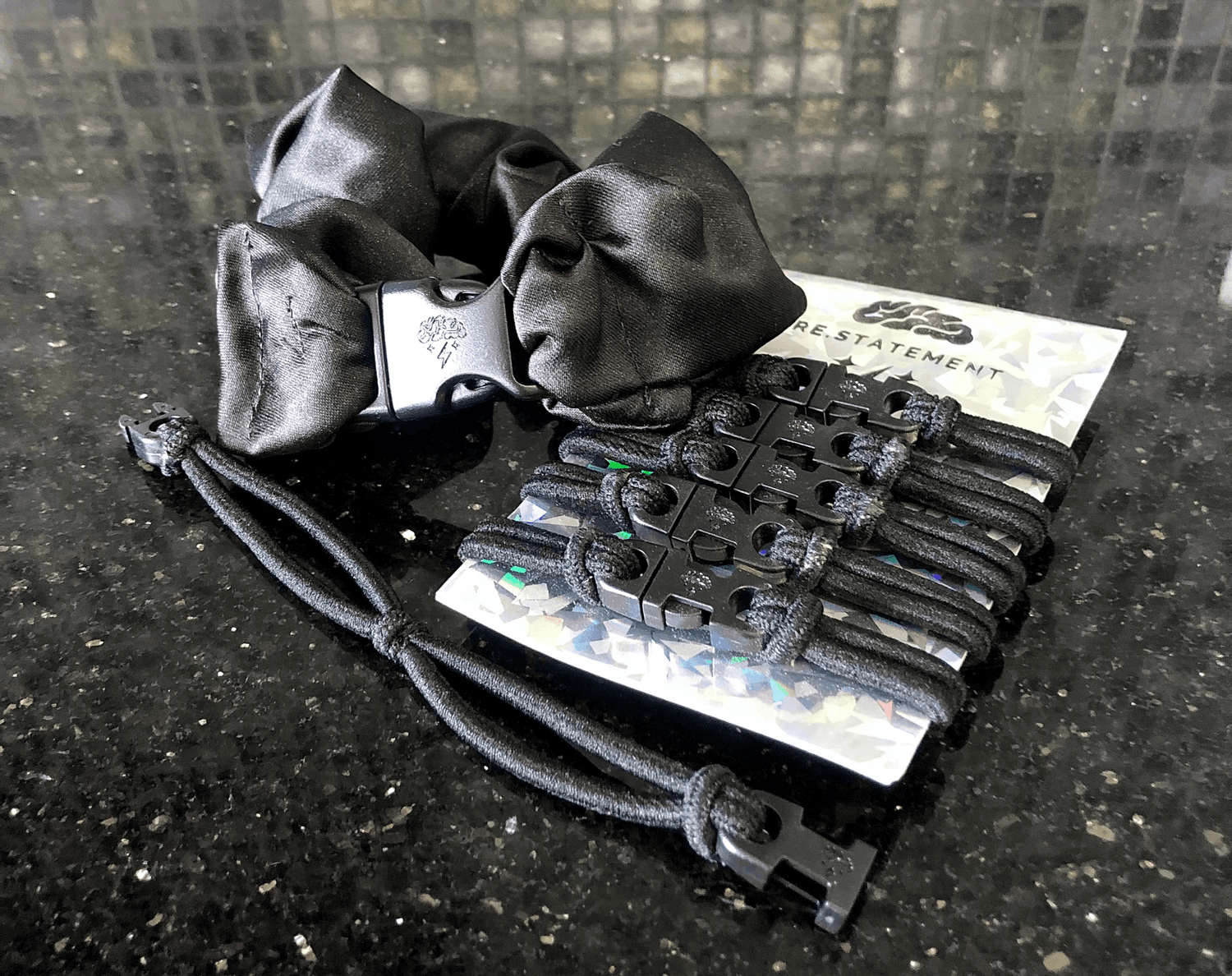
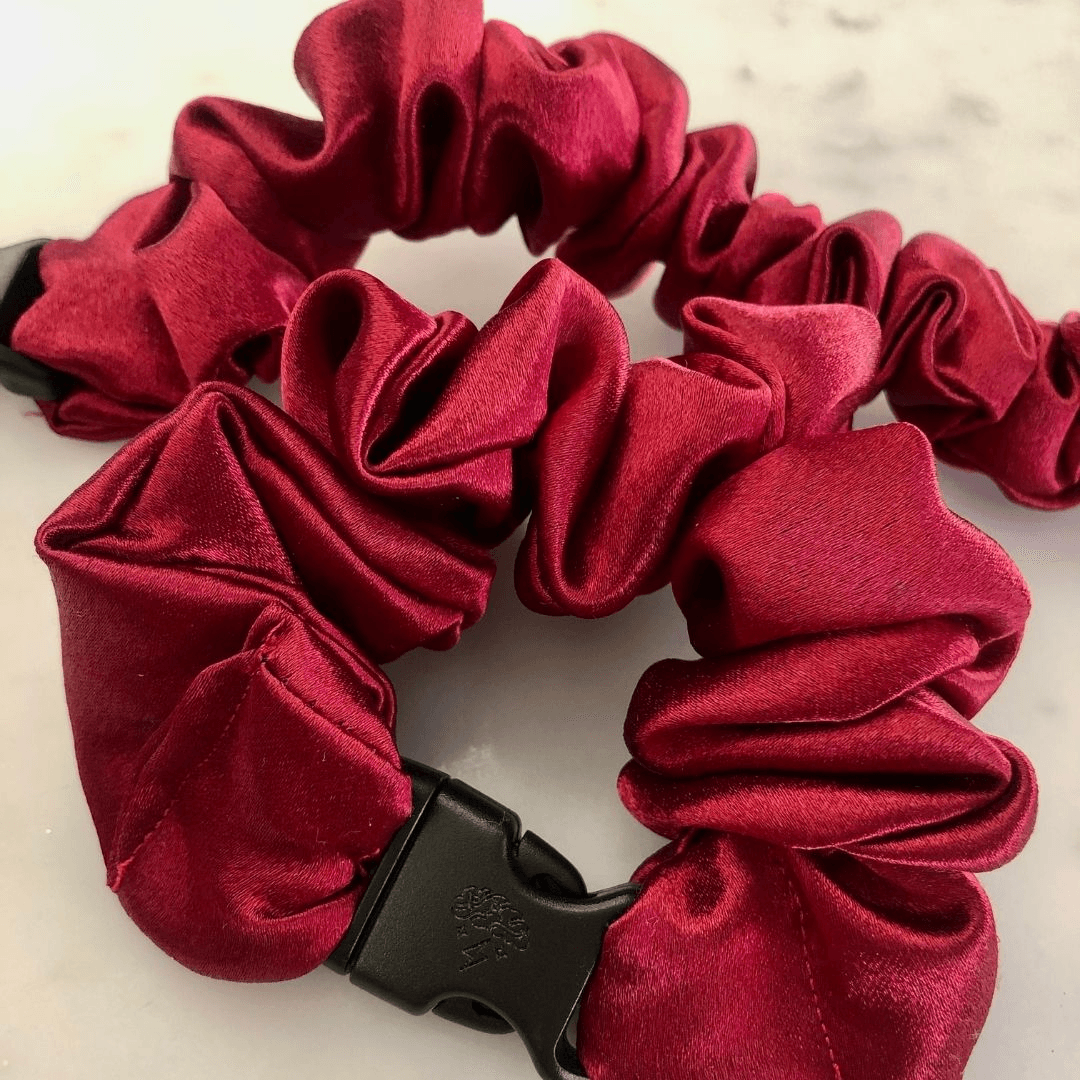
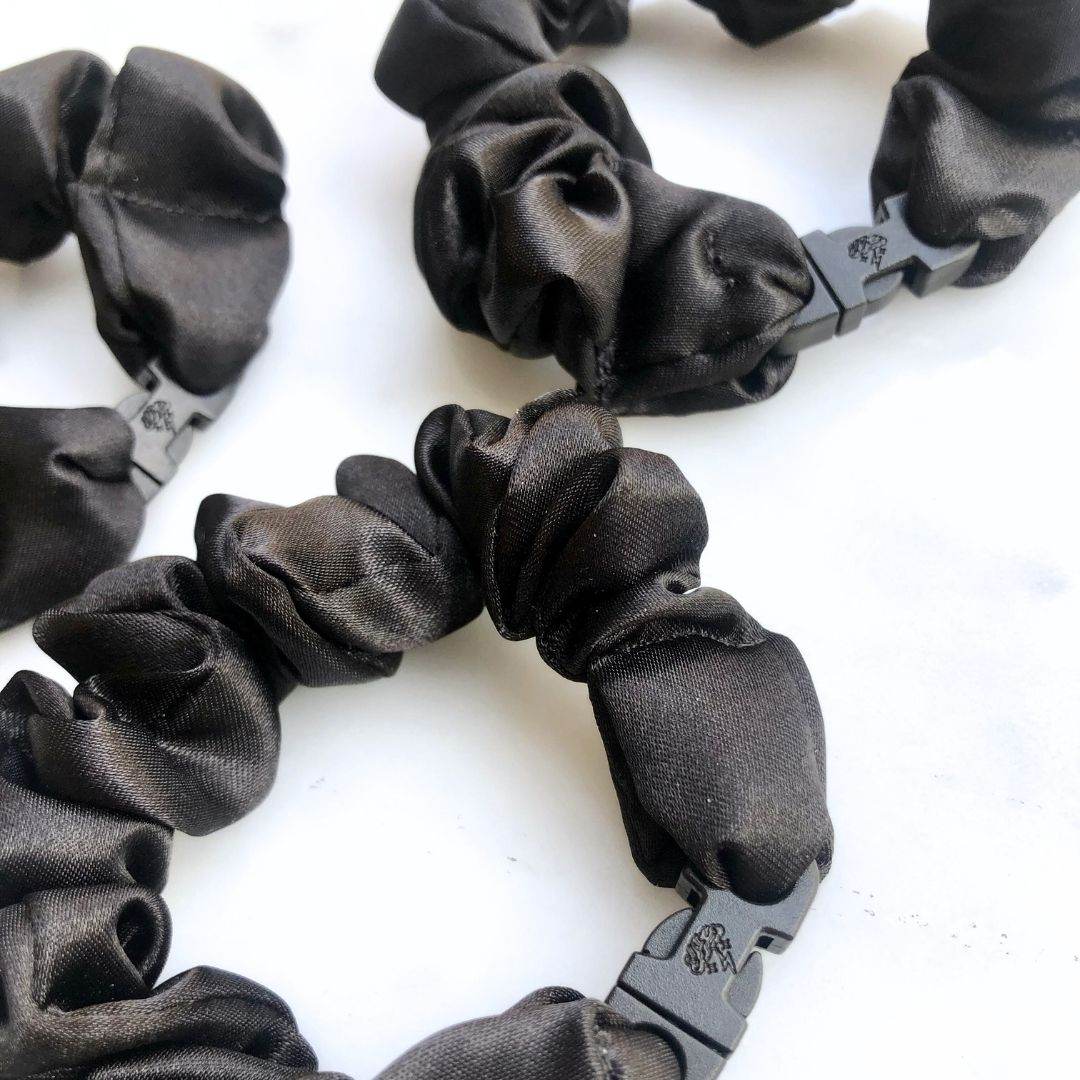
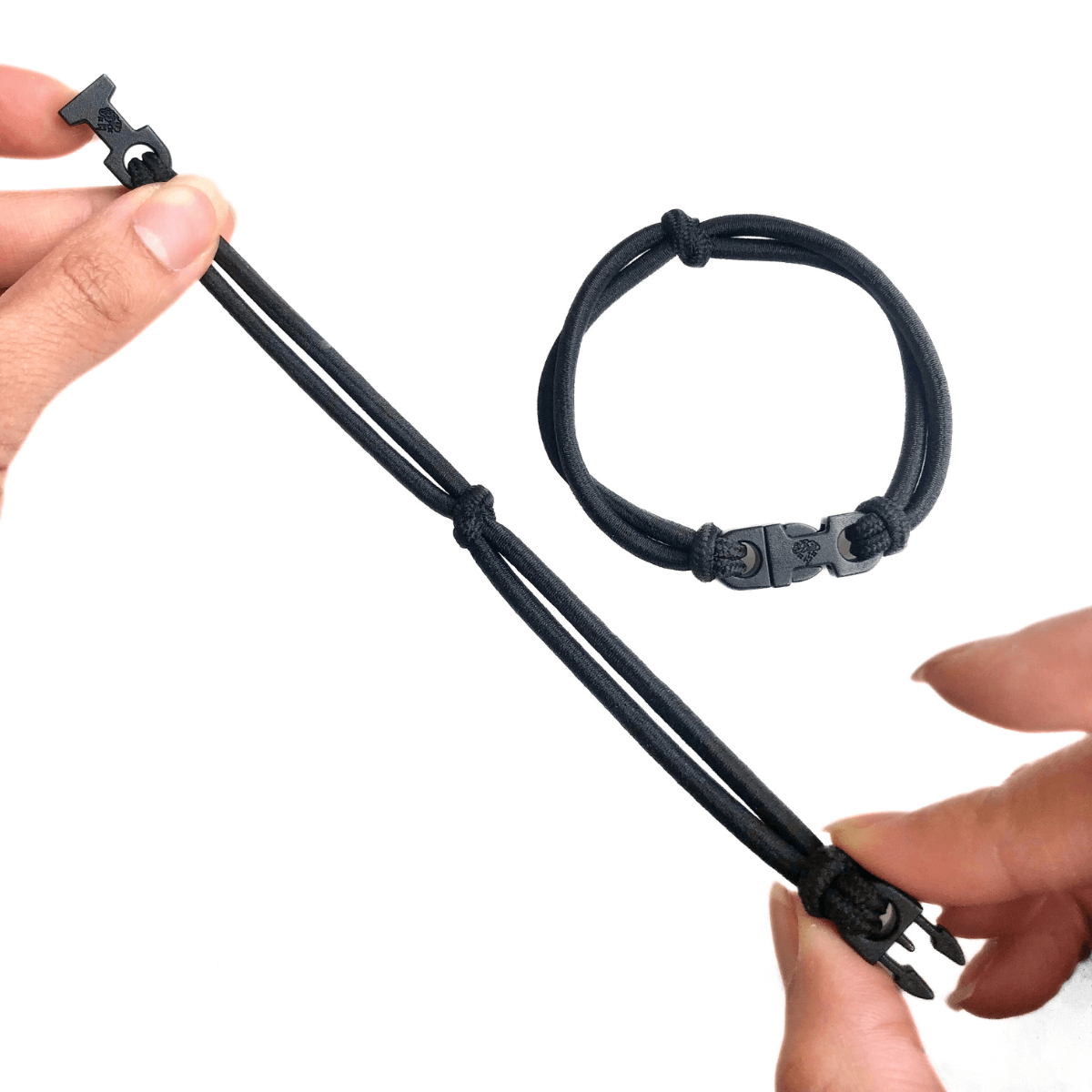
And change what holds the style up. Buckle Scrunchies and Buckle Hair Ties open with a click rather than sliding out, so a bun or a puff comes down without anything pulling through your hair. It is the only easy release, zero tangle hair tie, and for coils and locs, where every removal costs you strands, that is the whole difference.
Moisture, sealed, and left alone. That is the routine.