
What to Use for Hair Breakage: Products and Tools That Help
For hair breakage, use a conditioner after every shampoo, a leave-in if your hair runs dry, heat protectant if you use hot tools, and a wide-tooth comb. Add satin or silk at night and a hair tie that comes off without being dragged through your hair. Nothing glues a snapped strand back together. What these do is cut friction and protect what's left, so less of it breaks tomorrow.
This post is the shopping list. For the day by day routine, read How to Stop My Hair From Breaking, and for a quick overview, start with How to Help Hair Breakage.
First, make sure it's breakage
Breakage is a strand snapping somewhere along its length. Shedding is hair coming out at the root, and the American Academy of Dermatology puts normal shedding at about 50 to 100 hairs a day. Products help with breakage. They don't change shedding.
Damaged hair is fragile, and dermatologists note that continued damage can eventually lead to thinning or bald spots. Worth catching early. If breakage comes with thinning, bald patches, or a sore or itchy scalp, see a board-certified dermatologist, because hair care may not be the cause.

What to use in the shower
A gentle shampoo, on your scalp only
Massage a shampoo made for your hair type into your scalp and let the rinse carry suds through the rest. That's the advice in the AAD's guide on how to stop damaging your hair. You don't need to buy every label claim, either. A review in the International Journal of Trichology notes there's no published analysis of how sulfate-free shampoos perform, though it does explain that strong cleansers raise friction and tangling. Hair feels rough and squeaky after washing? Try something milder.
Conditioner after every single shampoo
Every wash. The science is simple: conditioners lay positive charge on the negatively charged hair surface, which cuts friction and static, and silicones like dimethicone help protect against abrasion. Less friction while you comb, fewer snapped strands.
A pre-wash oil, especially coconut
Oils aren't interchangeable. The trichology review cites research where coconut oil was the only one of three tested that reduced protein loss in both undamaged and damaged hair, likely because its small, straight molecules can get into the strand. Mineral and sunflower oil mostly sit on top. That still adds slip. If coconut oil leaves your hair limp or stiff, go lighter.
A protein treatment, used sparingly
Look for hydrolyzed proteins on the label. Low molecular weight protein hydrolysates have been shown to help protect hair from chemical and environmental damage. They don't rebuild keratin that's already damaged, so think shield, not repair.
What to use after the shower
- A soft towel you wrap, not rub. Dermatologists say to wrap hair to absorb water and air dry when you can. Microfiber or an old cotton t-shirt both work.
- A leave-in conditioner on slightly damp hair, kept off the scalp, in the smallest amount that works. Thick hair needs more, fine hair less, per the AAD's leave-in conditioner tips. Some include heat protectant, and the package will say so.
- A wide-tooth comb. Straight hair, let it partly dry first. Textured or tightly curled hair, comb while damp. Start at the ends.
- Heat protectant and a dryer with a low setting. Lowest heat that works, for as short a time as possible, and hot tools about once a week or less.

What to use all day
The thing touching your hair longest is usually the hair tie. Pulling hair tight into ponytails, buns, or cornrows is on the AAD's list of damaging habits; they suggest wearing hair loosely pulled back with elastics made for styling hair. Then there's the part nobody lists. Taking it out. Rolling an elastic down a ponytail drags it through every tangle on the way.
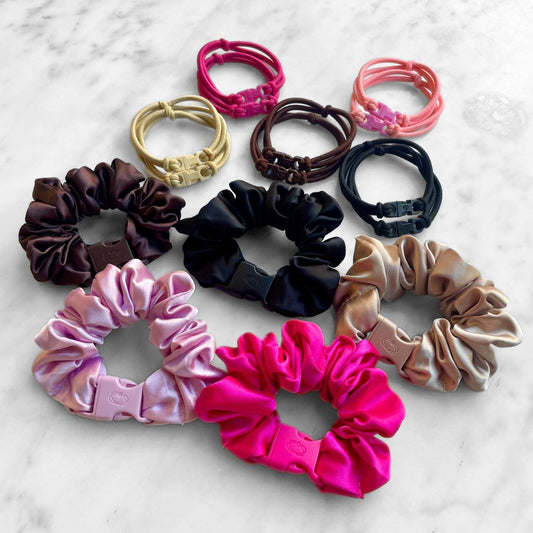
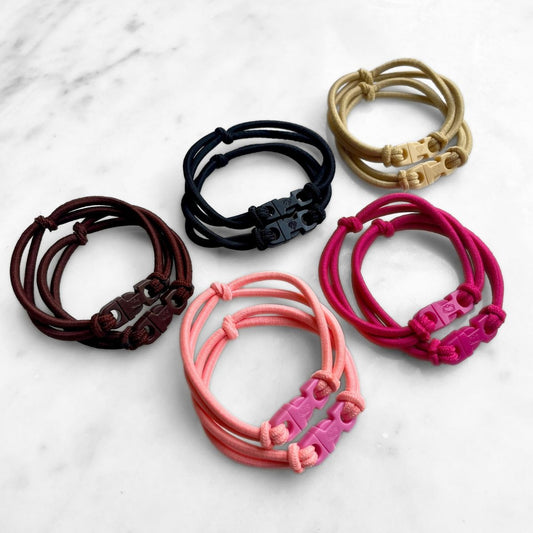
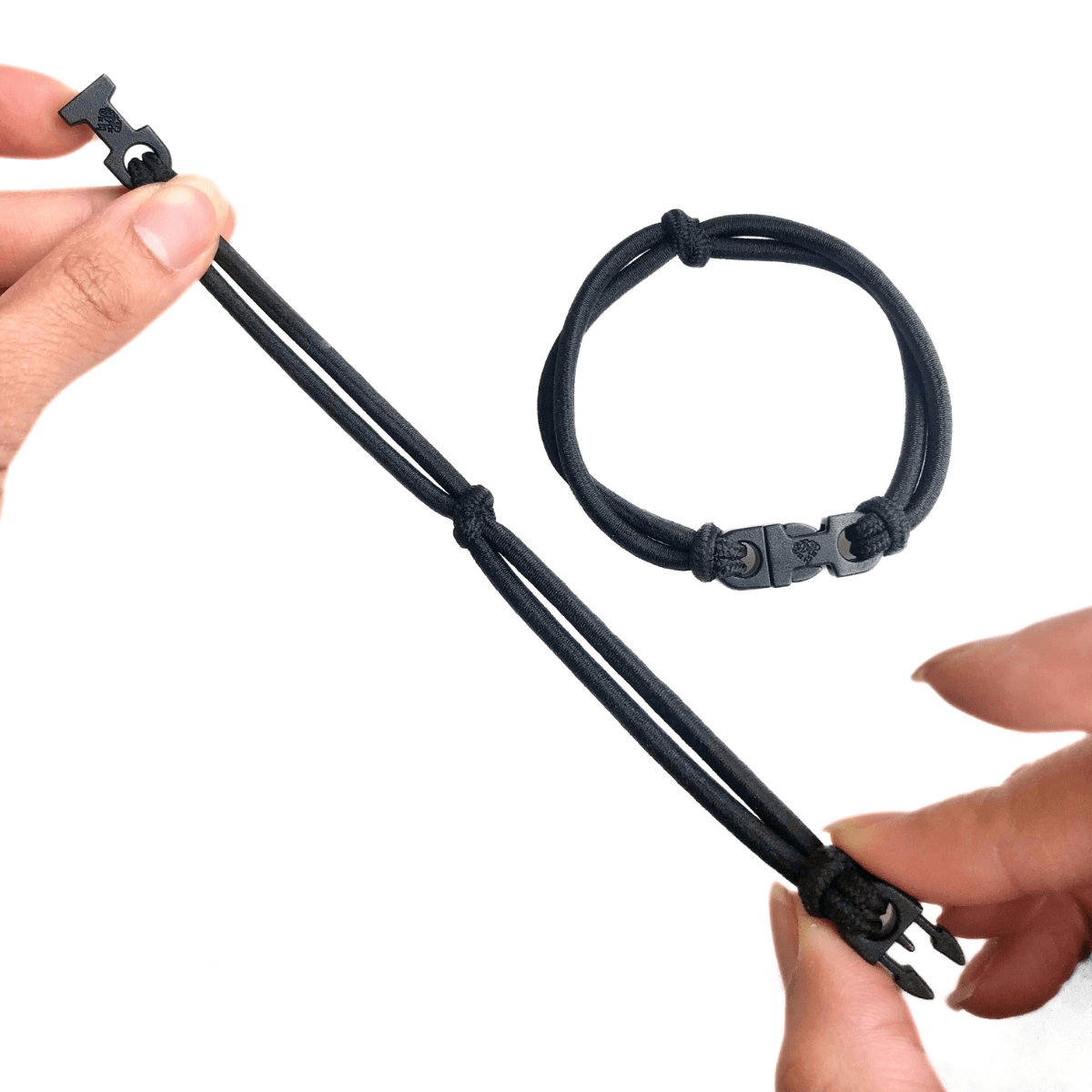
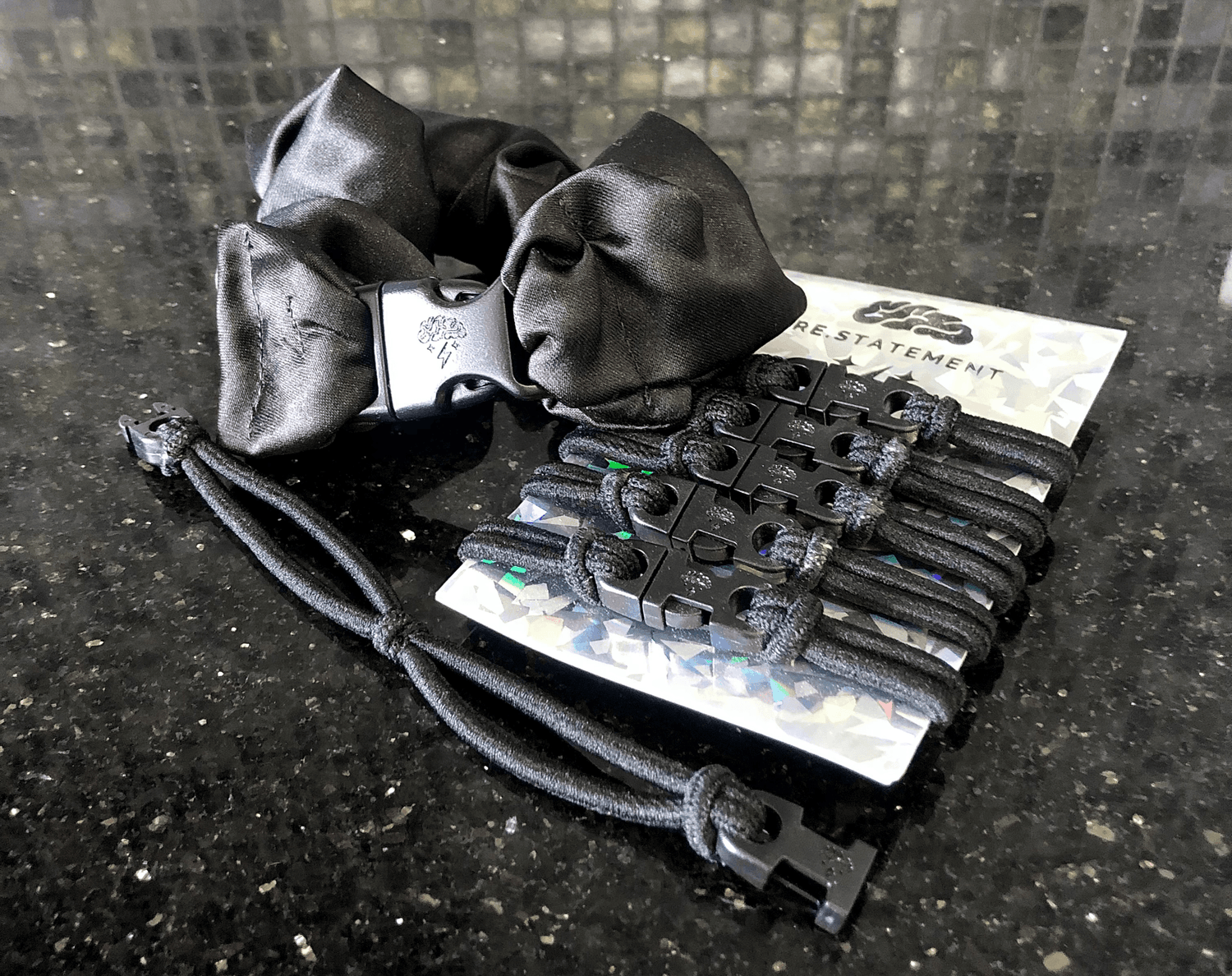
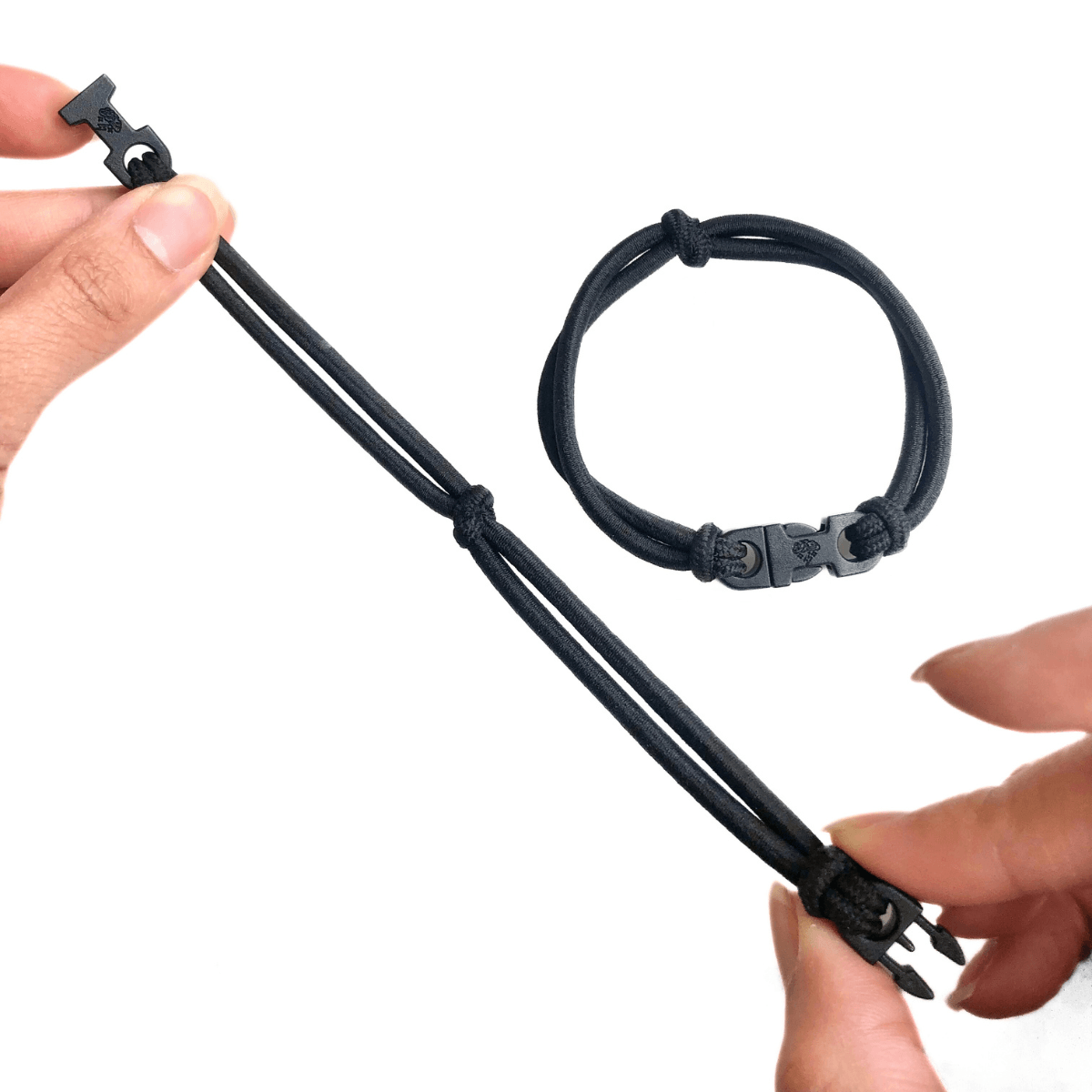
That's the job the Buckle Hair Tie was built for. It's an 8 inch, extra stretchy elastic with a click-open buckle. Wrap it 2 to 4 times with the buckle going on last, as loose or snug as you like, and when you're done, press the buckle sides and it unwraps. Our How It Works page has the full walkthrough.

Set the tension once and wear it all day, then click it open instead of pulling an elastic back through your hair. That last step is where breakage happens, so skip it.
Shop the Buckle Hair TieTwo more daytime swaps. Go easy on long-lasting hold products, which the AAD also lists as damaging. And if you swim, wear a cap, rinse right after, and use a swimmer's shampoo and a deep conditioner.
What to use at night
A satin or silk pillowcase, bonnet, or scarf. In a Cleveland Clinic piece, dermatologist Shilpi Khetarpal, MD, explains that wet hair is more prone to snapping, stretching, or breaking, that pillowcase friction can break it, and that satin or silk cuts that friction compared with cotton. Her first choice is letting hair dry before bed, or using a dryer on low or cool.
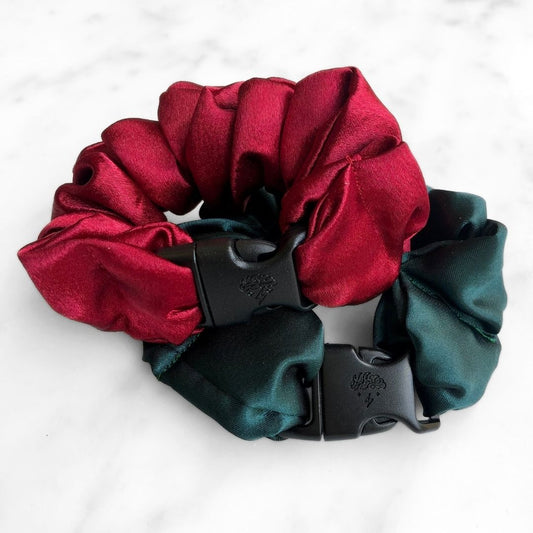
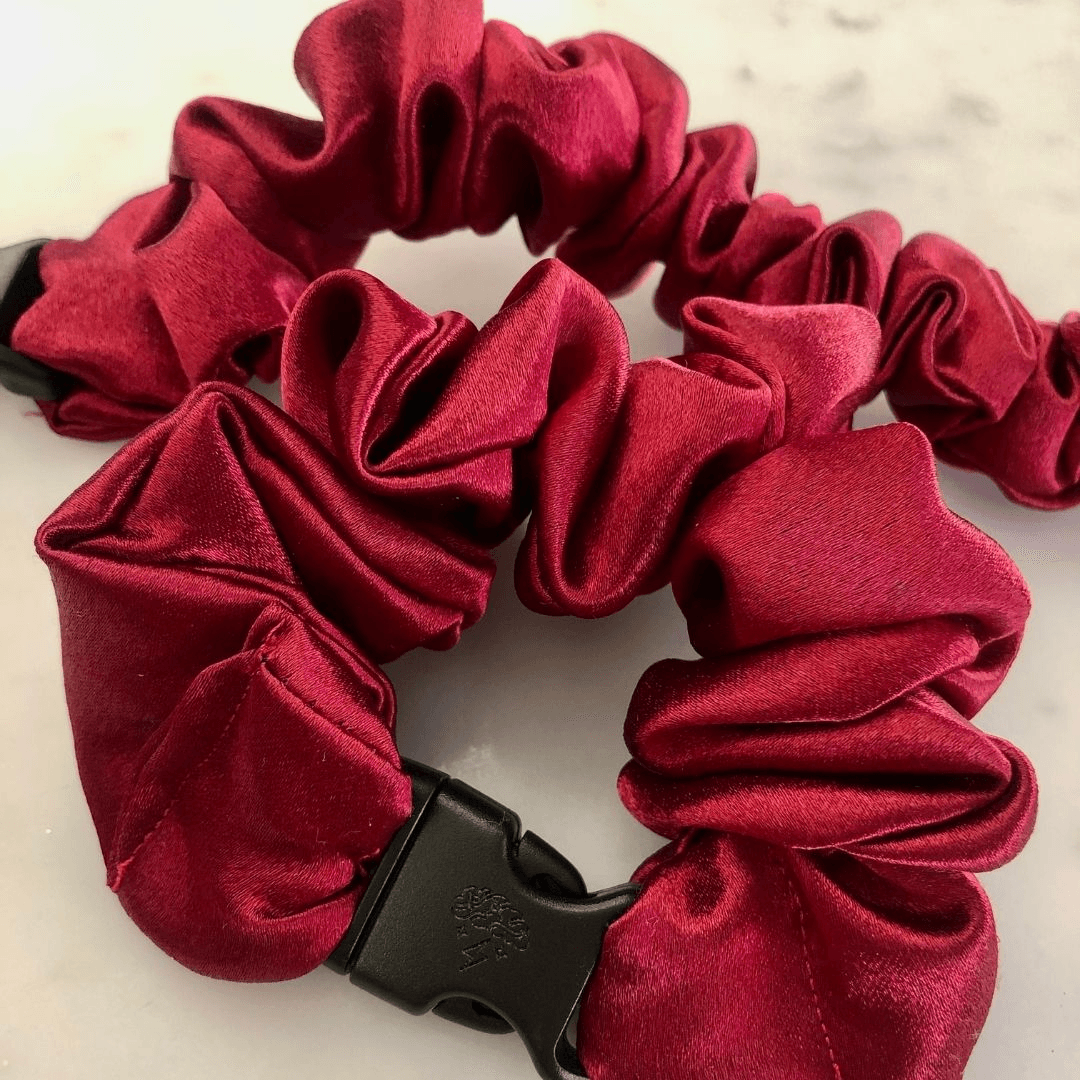
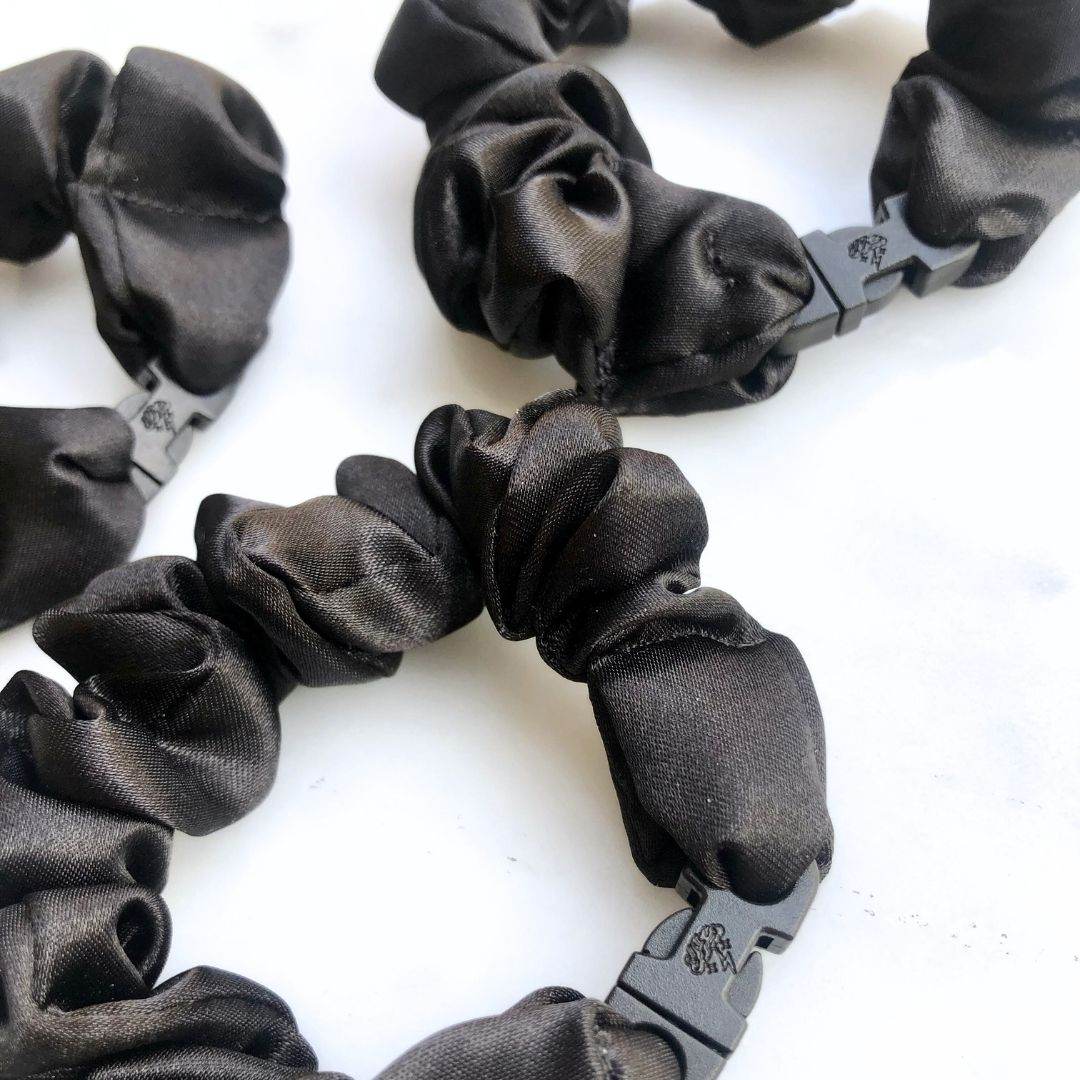
For a soft hold overnight, a satin Buckle Scrunchie keeps hair gathered loosely and clicks open in the morning.
A quick checklist by hair type
- Fine hair: lightweight conditioner on the ends, a spray leave-in, a loose tie. See our hair ties for fine hair.
- Thick hair: richer conditioner through the lengths, a cream leave-in, and a tie that holds without extra twisting. See our hair ties for thick hair.
- Color treated or heat styled: conditioner every wash, protein now and then, heat protectant every time.
- Curly and coily: conditioner through all of it, a leave-in, detangle damp, satin at night.
Already badly damaged? Products buy time, but only trims remove split ends. Our guide on how to get rid of damaged hair covers that part.
FAQ
Can a product repair split ends?
No. Once the cuticle is damaged and weakened, the end splits. Conditioners and serums can smooth it so it looks better for a while. Only a trim removes it.
Is a hair tie really a big deal for breakage?
It can be. Tight ponytails and buns are on the dermatologists' list of damaging habits. A loose hold plus a tie that opens instead of rolling out takes away two sources of stress.
Do I need a sulfate-free shampoo?
Not necessarily. There's little published evidence either way. Use one that leaves your hair soft, keep it on your scalp, and always follow with conditioner.
What's the one product to buy first?
A conditioner you'll actually use after every wash. It's cheap, it cuts friction, and dermatologists recommend it for every hair type.
Sources
- American Academy of Dermatology: How to stop damaging your hair
- American Academy of Dermatology: Dermatologists' top tips for using leave-in conditioner
- American Academy of Dermatology: Do you have hair loss or hair shedding?
- International Journal of Trichology (NIH PMC): Hair Cosmetics: An Overview
- Cleveland Clinic: Should you avoid going to bed with wet hair?