
How to Get Rid of Damaged Hair
Cut off what's past saving, stop the habits causing new damage, and condition what's left while healthy hair grows in. That's the whole plan. A split end won't grow back together, and no mask will glue it. Products can smooth damage for a while. Scissors remove it, and better habits keep it from coming back.
What damaged hair actually is
Every strand is wrapped in a cuticle, a layer of overlapping scales protecting what's inside. Dermatologists writing in What Ages Hair? call the wear and tear "weathering": brushing, heat, chemicals, sun, and humidity slowly chip that cuticle away from root to tip. Split ends are what that looks like, and they mostly show up on long hair that's been around the longest.
Damaged hair is fragile and breaks easily, and the American Academy of Dermatology warns that ongoing damage can eventually lead to thinning or bald spots. Worth dealing with now.

Step 1: Cut what is past saving
Only a trim removes split ends. If the damage is mostly at the tips, ask for small, regular trims that clean up the ends without costing much length. If it runs way up the strand from bleach or years of flat ironing, one bigger cut gets you to healthy hair faster than six months of masks. You're not losing progress. You're cutting off the part that keeps snapping.
Step 2: Condition what is left
Conditioner after every shampoo
The AAD says every time you wash. A review in the International Journal of Trichology explains why it matters even more on damaged hair. Bleached and chemically treated hair is more porous and carries more negative charge, so conditioning ingredients stick to it better. Conditioner cuts friction and static, and silicones help guard against abrasion.
Protein, used as a shield
Look for hydrolyzed protein on treatment labels. Per the same review, low molecular weight protein hydrolysates can help protect hair from chemical and environmental damage. They don't restore keratin that's already damaged, though. Part of a routine, not a cure.
Oil before you wash
The review cites research where coconut oil was the only one of three oils tested that reduced protein loss in both damaged and undamaged hair. Coating the lengths before you wash is an easy experiment. Hair feels stiff after? Try a lighter oil.
Bond-building treatments, if you bleach
Bleached or chemically straightened hair? Ask your colorist about bond-building treatments, a category made for chemically processed hair, and follow the directions on the product.

Step 3: Turn down the heat
Air dry when you can. When you can't, the AAD suggests the lowest heat setting, less time with heat on your hair, and blow dryers, hot combs, and curling irons about once a week or less. Its styling without damage guide adds that flat irons go on dry hair only, at low or medium, and a curling iron should stay put for a second or two. Heat protectant every time.
Step 4: Space out chemical services
The AAD's advice here is specific. Stretch touch-ups to 8 to 10 weeks or longer, especially in dry winter air. Do one chemical service at a time; if you want both, perm or relax first and color about two weeks later. And in strong sun, use a leave-in conditioner with zinc oxide or wear a wide-brimmed hat.
Step 5: Fix the everyday mechanical damage
This is the damage people miss, because it has nothing to do with heat or color. All of these come from the AAD's list:
- Scrubbing shampoo through the lengths. Massage your scalp and let the rinse handle the rest.
- Rubbing hair dry with a towel. Wrap it to soak up water, then air dry.
- Brushing wet hair. Let straight hair partly dry first; comb textured or tightly curled hair while damp with a wide-tooth comb.
- Overbrushing. Brush to style. Nobody needs 100 strokes.
- Tight ponytails and buns. Wear it loosely pulled back, or pick a style that doesn't tug.
Then there's taking your hair down. A ponytail held all day has to come out somehow, and rolling an elastic down the length drags it through every tangle. Look at the spot where your ponytail sits. Short broken pieces there, while the rest is longer? That's your hair tie.
Step 6: Change how your hair tie comes off
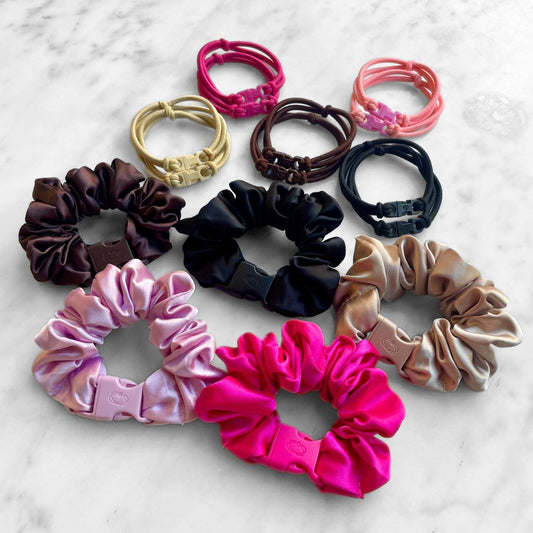
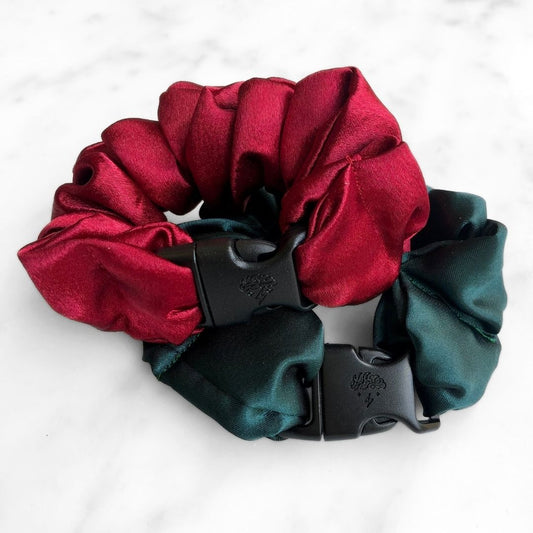
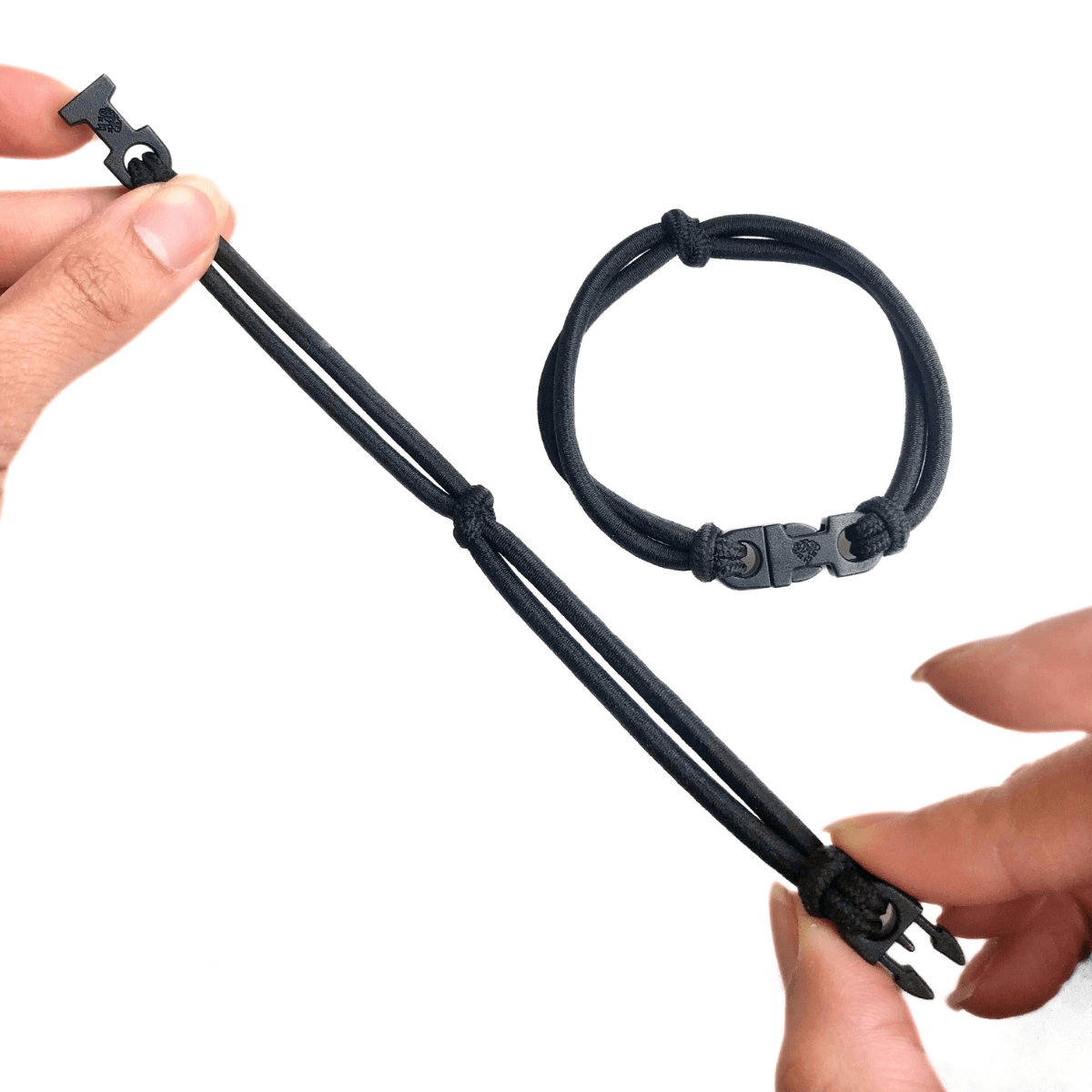
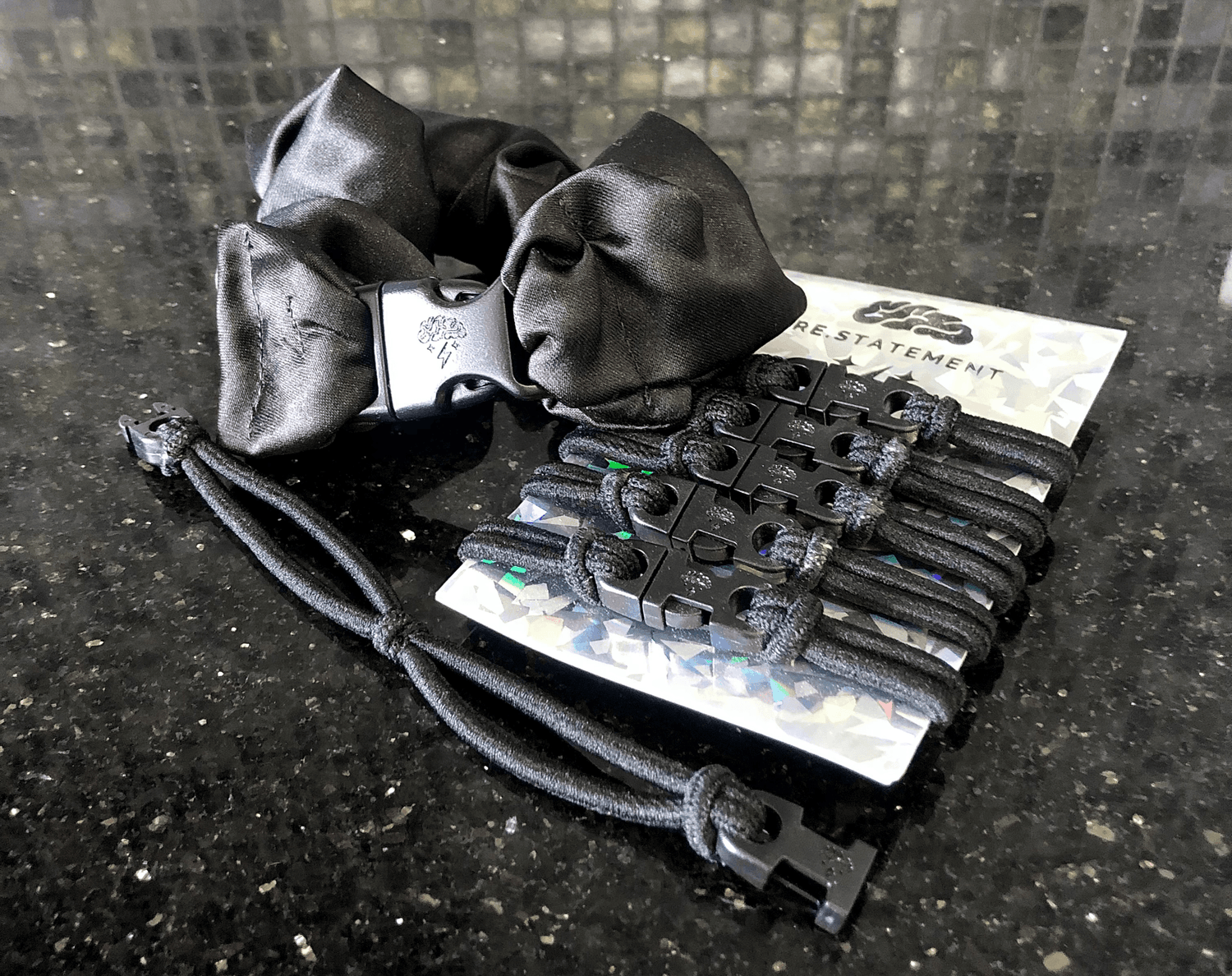
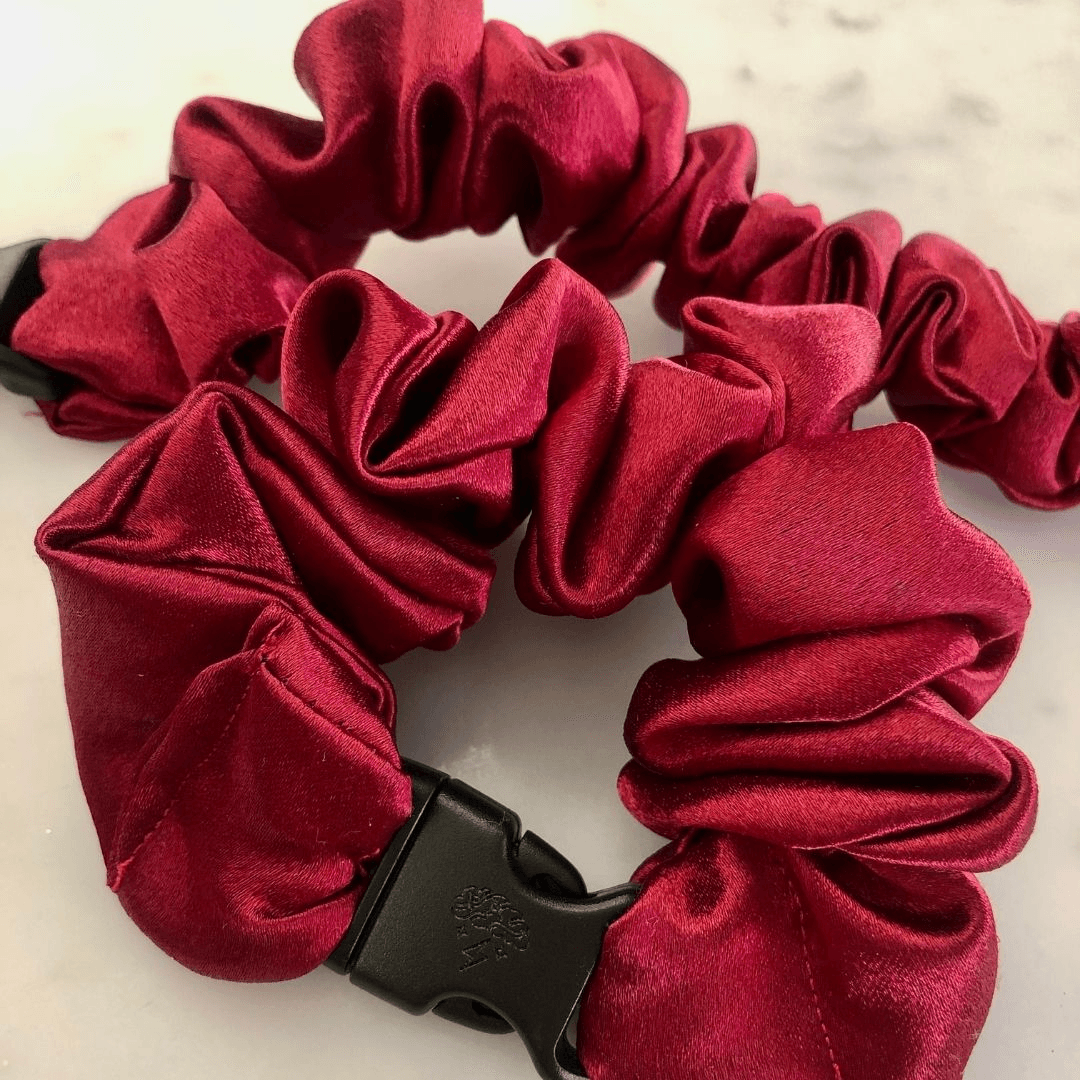
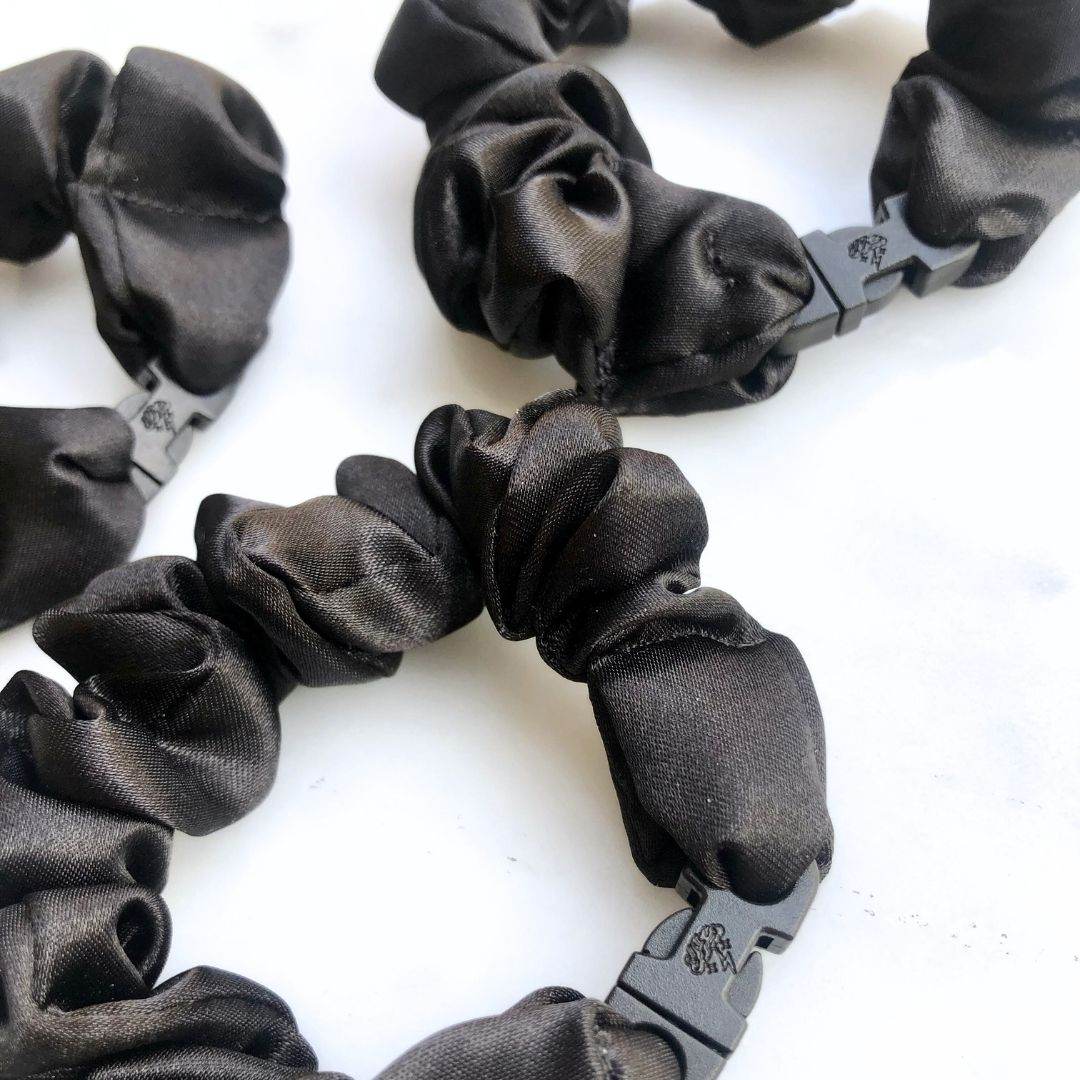
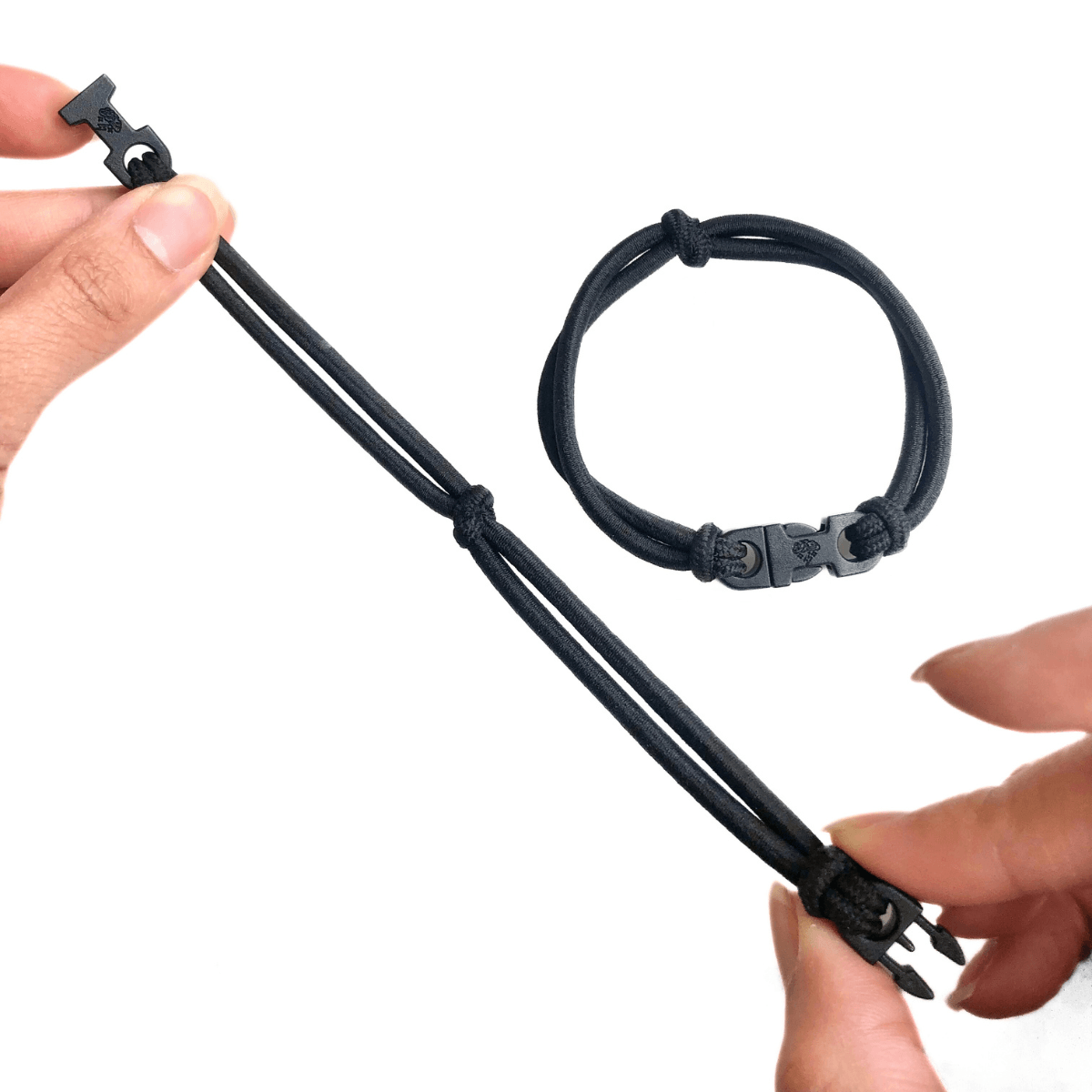
Buckle Scrunchies and Buckle Hair Ties open at the buckle: press the sides, it clicks, and the tie unwraps, so nothing travels down your hair. It's the only easy release, zero tangle hair tie, and it still holds through practice or a full workday. Each one's covered by our 100 year warranty.

Stop adding new damage every time you take your hair down: click the buckle open and the Buckle Hair Tie unwraps with no pulling.
Add the 5 pack to cart, $12Want product picks? See what to use for hair breakage. For a day by day plan, try how to stop your hair from breaking.
FAQ
Can damaged hair be repaired?
Not permanently. Conditioners, oils, and proteins make it smoother and stronger for a while, but they don't rebuild it. Trims remove damage. New growth replaces it.
How long does it take to grow out damaged hair?
Depends how much is damaged. Hair grows about a centimeter a month, according to Cleveland Clinic, so a few inches of damage takes many months to grow out without a cut. Our guide on how to get your hair to grow longer covers holding onto that growth.
Are split ends the same as breakage?
Split ends are damage at the tips. Breakage is a strand snapping anywhere along the length. Both start with a weakened cuticle.
When should I see a dermatologist?
If a new routine doesn't help, or you notice thinning, bald spots, or scalp pain, see a board-certified dermatologist. The AAD points out that hair care may not be the real cause.
Sources
- American Academy of Dermatology: How to stop damaging your hair
- American Academy of Dermatology: Hair styling without damage
- International Journal of Women's Dermatology (NIH PMC): What Ages Hair?
- International Journal of Trichology (NIH PMC): Hair Cosmetics: An Overview
- Cleveland Clinic: Hair Follicle