
How to Thicken Hair Naturally in a Month: A Realistic 30-Day Plan
You can't grow noticeably thicker hair in a month. Hair only grows about 1 centimeter a month, according to Cleveland Clinic. What you can do in 30 days is stop the breakage, tension, and habits that make hair look thin, and start the slower changes that take months to show. Here's a week-by-week plan, with realistic expectations.
This is the habits post. For styling tricks that add volume today, read how to make hair look thicker. For what sets your hair thickness to begin with, see what makes your hair thicker.
What a month can and cannot do
A month can cut the breakage from rough handling, heat, and tight styles, and that's usually the fastest change you'll see. It can also get a scalp massage habit and better eating going, which may pay off later.
It can't add follicles. You're born with more than a million on your head, per Cleveland Clinic. And it won't show real regrowth: in the rosemary oil trial below, hair counts didn't move at 3 months.

Week 1: Stop the damage
Start by not breaking off the hair you already have. Damaged hair is fragile and tends to snap, and the American Academy of Dermatology warns that ongoing damage may eventually lead to thinning. Its fixes:
- Shampoo the scalp only and let the rinse clean the length.
- Condition after every shampoo.
- Wrap hair in a towel instead of rubbing it.
- Air dry when you can, use the lowest heat setting, and keep hot tools to about once a week or less.
- Brush only to style. Nobody needs 100 strokes a day.
Week 2: Loosen up
A tight ponytail pulls on the same spot every day. Hairstyles that pull can lead to traction alopecia, which often shows up first as broken hairs around the forehead and a receding hairline. Dermatologists warn it can become permanent if the pulling keeps up.
So this week, wear your ponytail looser and move it around. Take some days with your hair down. Sleep with it loose or in a soft braid. And change how you take it down, because sliding a tight elastic down the length is where a lot of strands snap.
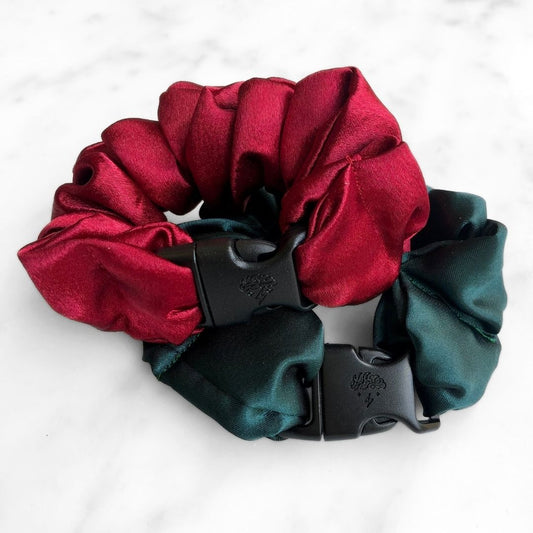
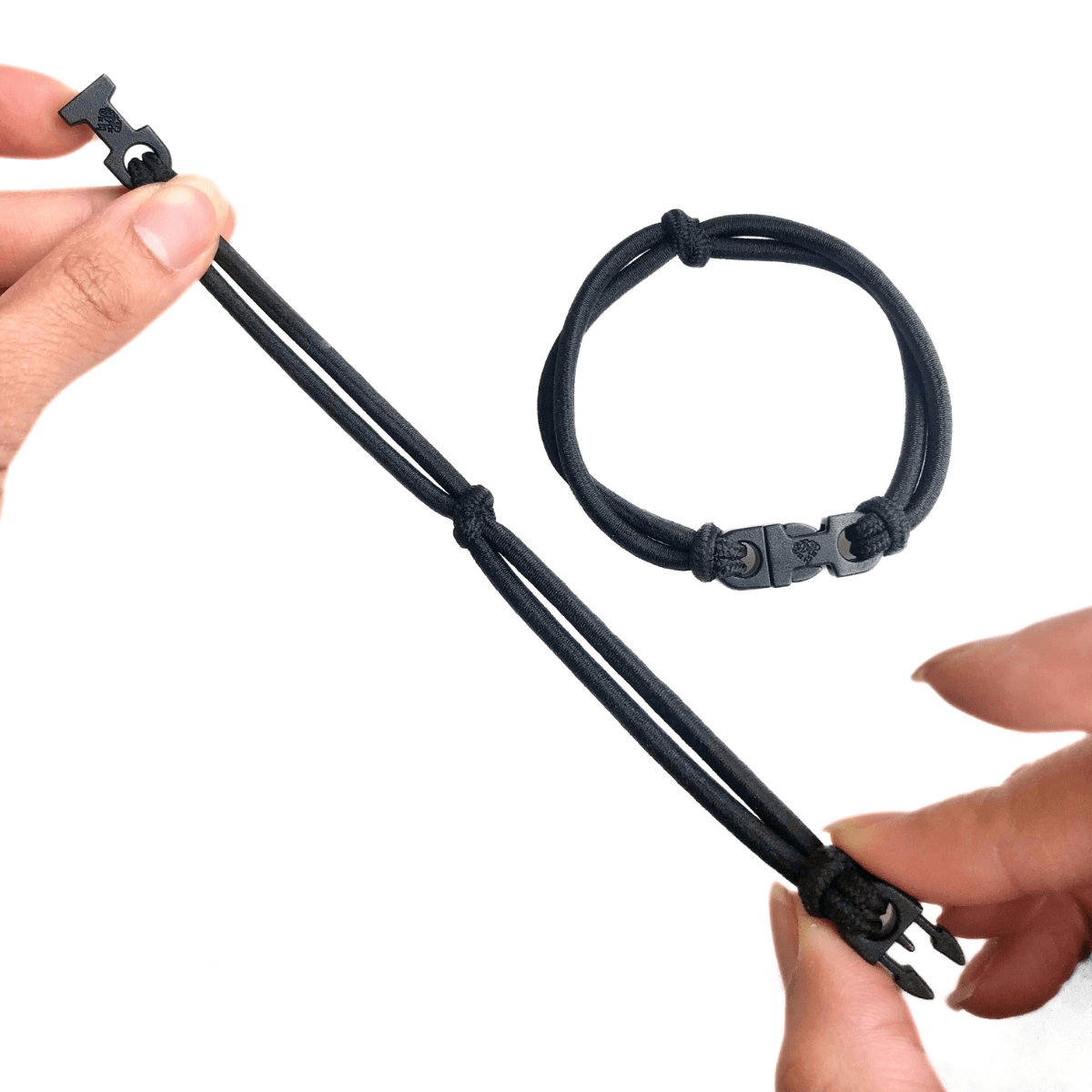
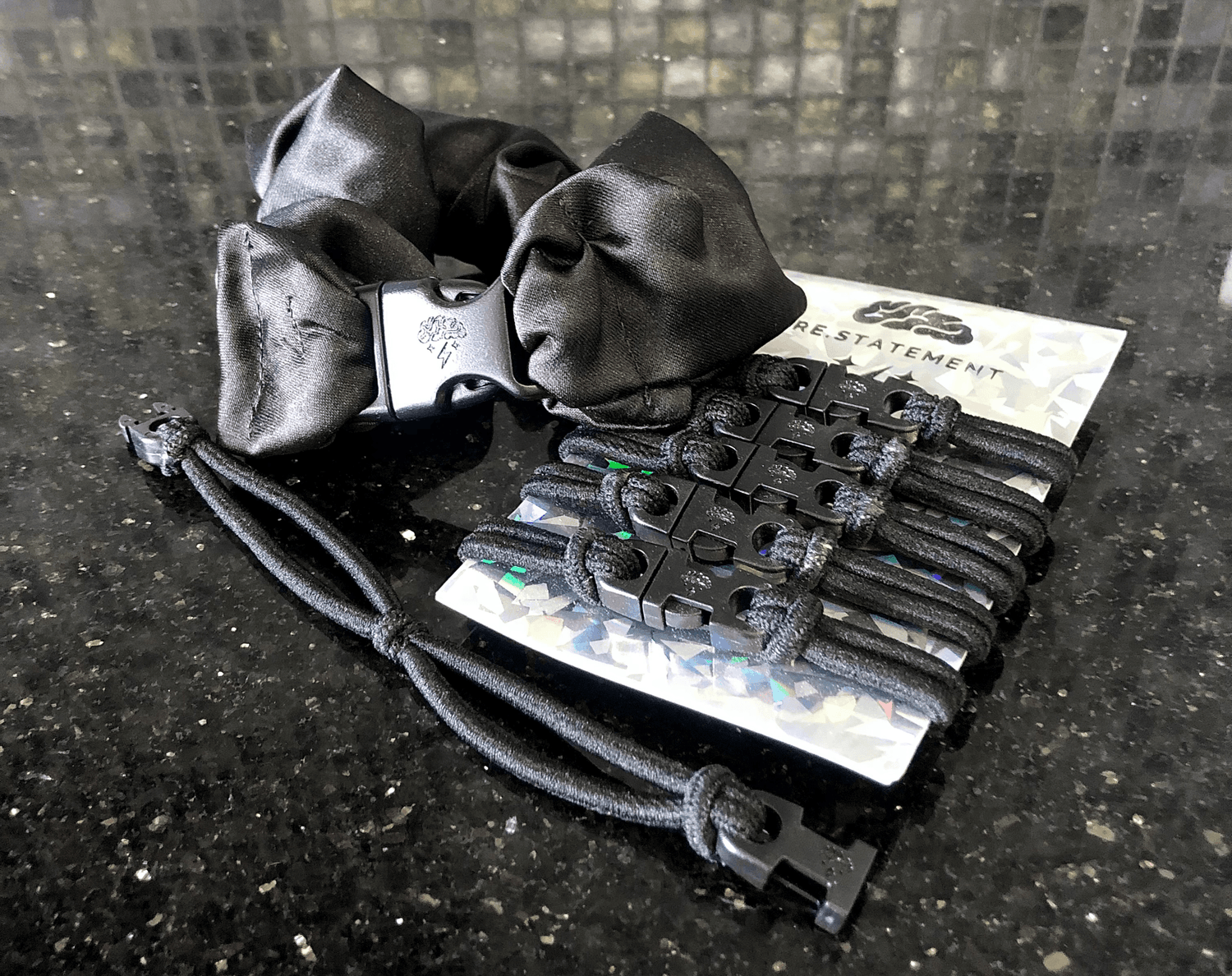
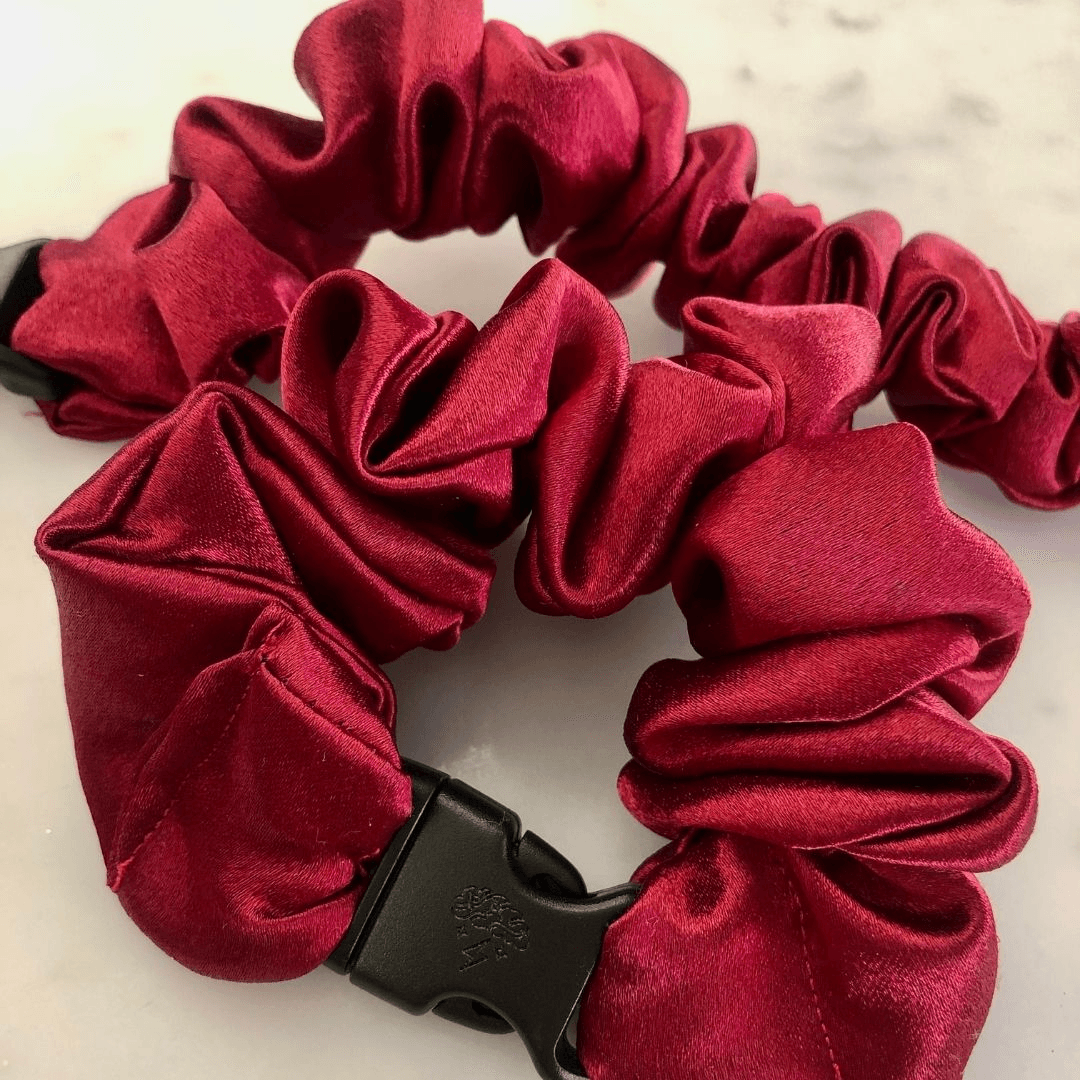
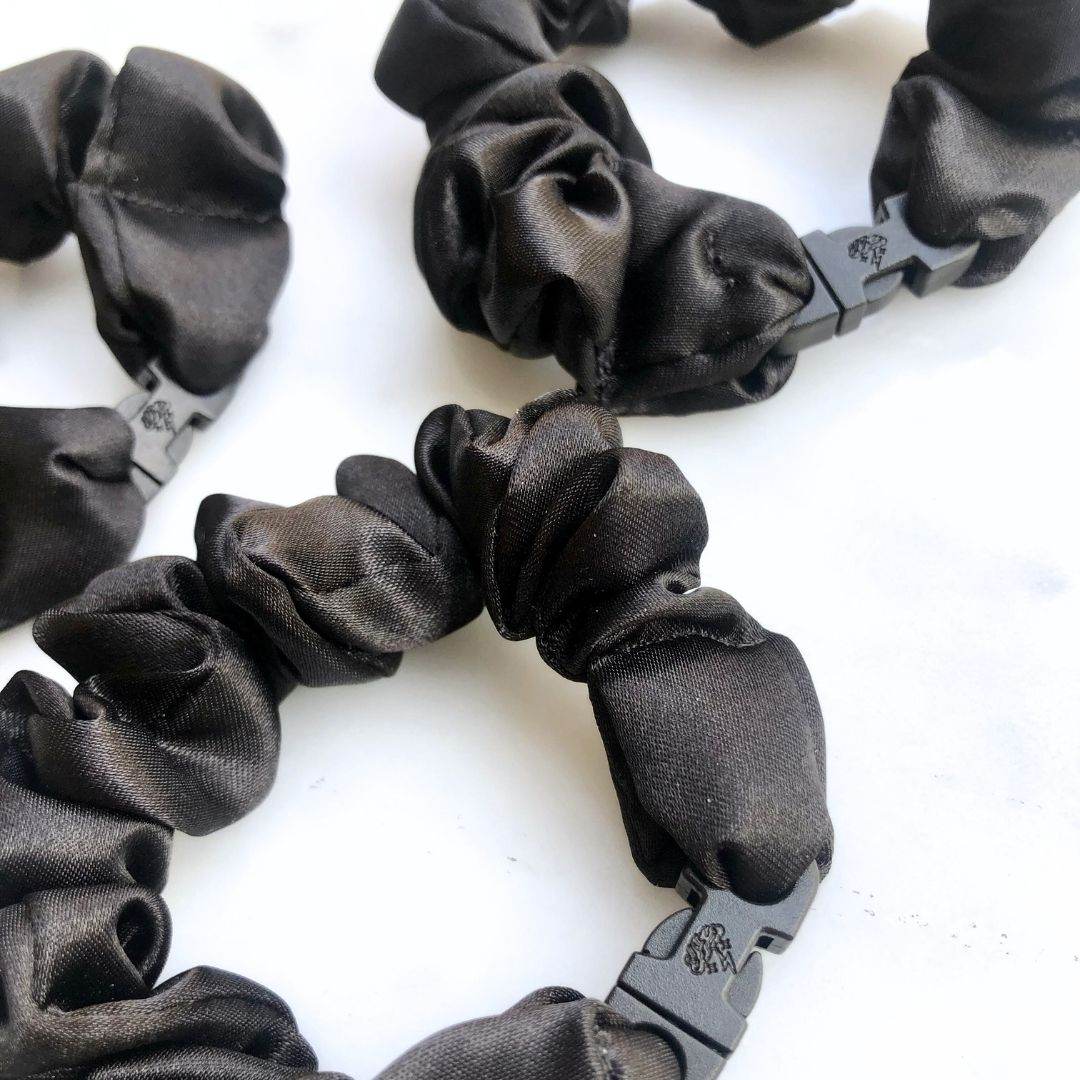
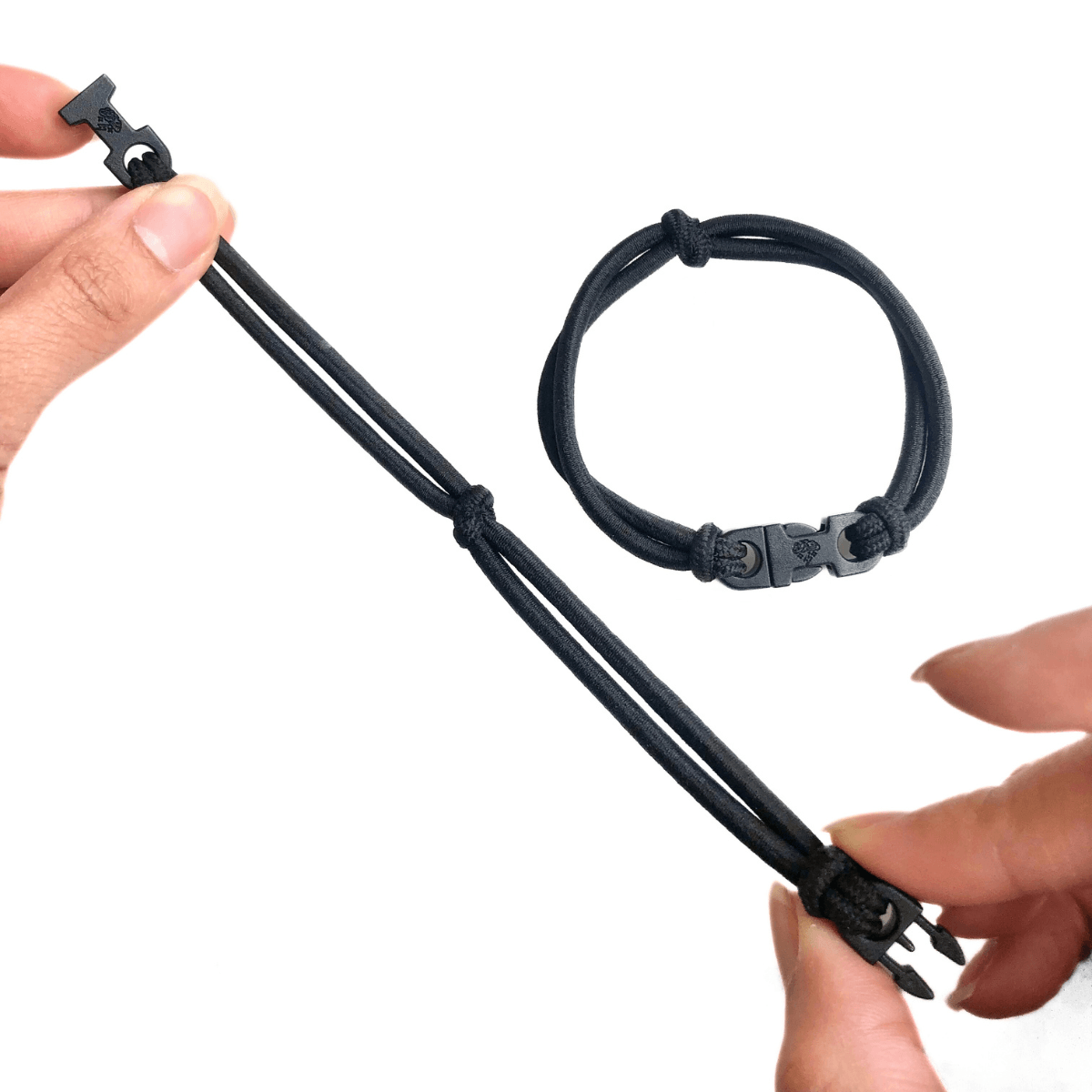
That last one is our whole thing. The Buckle Hair Tie wraps 2 to 4 times, buckle last. When you're done, press the buckle sides, it clicks open, and it unwraps. Nothing drags through your hair at the end of the day. More gentle options are in our hair ties to prevent breakage collection.

Week 2's easiest swap: a hair tie that clicks open at the end of the day instead of dragging through your ponytail.
Add the 5 pack to cart, $12
Week 3: Start a scalp routine
Scalp massage
The evidence is small. Still interesting. In a 2016 study in Eplasty, nine healthy men used a scalp massage device for 4 minutes a day. After 24 weeks the strands in the massaged area were thicker, though the number of hairs hadn't gone up. Use your fingertips, not nails, in small circles for a few minutes a day, and think in months.
Rosemary oil, with realistic timing
A 2015 randomized trial in Skinmed put rosemary oil up against 2% minoxidil in 100 people with androgenetic alopecia. At 3 months, neither group had a significant change in hair count. By 6 months both had more hair, with no significant difference between them, and scalp itching was more common with minoxidil. So one month won't tell you anything. Six might.
Week 4: Check your nutrition basics
Hair is built from protein. A review in Dermatology Practical and Conceptual found iron deficiency is a common nutritional cause of hair loss, that zinc deficiency can cause hair loss that may reverse once corrected, and that sudden weight loss or too little protein can set off a temporary shed.
Build meals around a protein, like eggs, fish, chicken, beans, lentils, or tofu. Don't crash diet while you're trying to protect your hair. If you're tired, pale, or have heavy periods, ask your doctor about checking your iron.
And skip the biotin. The same review found no clinical trials showing it helps people who aren't deficient, and it links too much selenium or vitamin A to hair loss. Get your levels checked before you start any supplement.
After the month: what to expect
If the 30 days went well, you'll find fewer broken pieces in your brush and on your shirt, and your hair will hold a style better. New growth takes months longer.
If you're losing more hair than usual, your routine may not be the cause at all. Shedding after childbirth, illness, or major stress is common, and a widening part or patches can point to a condition that needs treatment. See a board-certified dermatologist. The AAD notes most causes of hair loss can be stopped or treated, and earlier is better.
FAQ
Can you really thicken hair naturally in a month?
Not with new hair. You can cut breakage and make your hair look fuller within a few weeks. Growth changes take several months.
Does scalp massage make hair thicker?
One small study found thicker strands after 24 weeks of daily massage, but not more hairs. Low risk, modest payoff.
Should I take biotin for thicker hair?
Only if a doctor finds you're deficient.
Do hair ties make hair thinner?
Tight styles worn often can cause traction alopecia, and yanking a tight elastic out breaks strands. Wear ponytails loose, rotate where they sit, and use a tie that opens instead of sliding out.
Sources
- Cleveland Clinic: Hair Follicle
- American Academy of Dermatology: How to stop damaging your hair
- American Academy of Dermatology: Hairstyles that pull can lead to hair loss
- Eplasty (NIH PMC): Standardized Scalp Massage Results in Increased Hair Thickness
- Skinmed (PubMed): Rosemary oil vs minoxidil 2% for the treatment of androgenetic alopecia
- Dermatology Practical and Conceptual (NIH PMC): Diet and hair loss, effects of nutrient deficiency and supplement use