
What Makes Your Hair Thicker?
Hair thickness is two different things wearing the same word, and confusing them is why most advice on the subject goes nowhere.
One is strand diameter, how thick each individual hair is. The other is density, how many hairs you have growing per square inch of scalp. You can change one of these a little. The other is mostly set for you before you were born.
What you were given
Follicle count is genetic and fixed by birth. Nobody grows new follicles. Strand diameter is largely genetic too, though it shifts across your life. Hair tends to be finest in childhood, peaks in your twenties and thirties, and thins gradually after that as follicles produce narrower strands.
Ethnicity plays a role in the baseline. So does hormone profile. None of that is fixable, and any product promising to change it is selling you something.
Here is the part that matters though. Most people who feel their hair is thinning are not losing follicles. They are losing length, and the hair is breaking off before it can get long enough to look full.
What actually moves
Protein structure responds to how you treat it. Hair is keratin, and repeated damage strips the cuticle layer that gives a strand its diameter and its shine. Bleach, heat above 350 degrees, and chlorine all thin the strand physically. That loss is real and it is measurable, and it is also largely preventable.
Scalp health changes what grows. Follicles sitting under buildup, inflammation, or restricted blood flow produce weaker hair. This is why scalp massage and regular clarifying show up in every honest answer to this question. Not dramatic, but real.
Nutrition matters at the margins. Iron, ferritin, vitamin D, and protein intake all correlate with hair density in the research, and deficiencies show up in hair before they show up almost anywhere else. If your hair changed suddenly, a blood panel is more useful than a serum.
Hormones move it the most and are the hardest to control. Postpartum shedding, thyroid shifts, and perimenopause all change strand diameter, sometimes sharply.

The one most people are actually experiencing
Breakage looks exactly like thinning and it is not. Run your hand over the top of your head. If you feel a halo of short pieces standing up an inch or two from your part, those are not new growth. Those are strands that snapped.
Snapped hair at the crown almost always traces back to tension. Hair that spends eight hours in a tight ponytail is under constant pull at a single point, and then it gets more pull when you take the ponytail out. The elastic drags down through the length, catching every strand it passes.
Cheerleaders, gymnasts, and runners see this first because they tie their hair the tightest and the most often. It is also why the same women often have visibly thinner hair at the temples and along the ponytail line while the rest of their hair is fine.
Stop the loss you can control
You cannot add follicles. You can stop breaking off the ones you have.
Vary where you place your ponytail so the tension point moves. Sleep in a loose braid or a silk cover rather than a tight tie. And change what you take your hair down with.
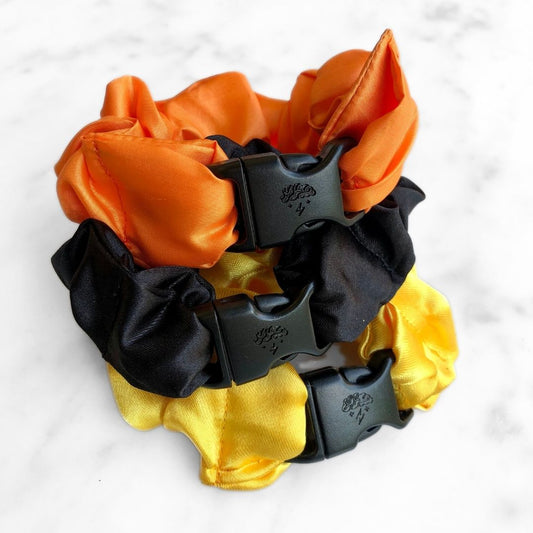
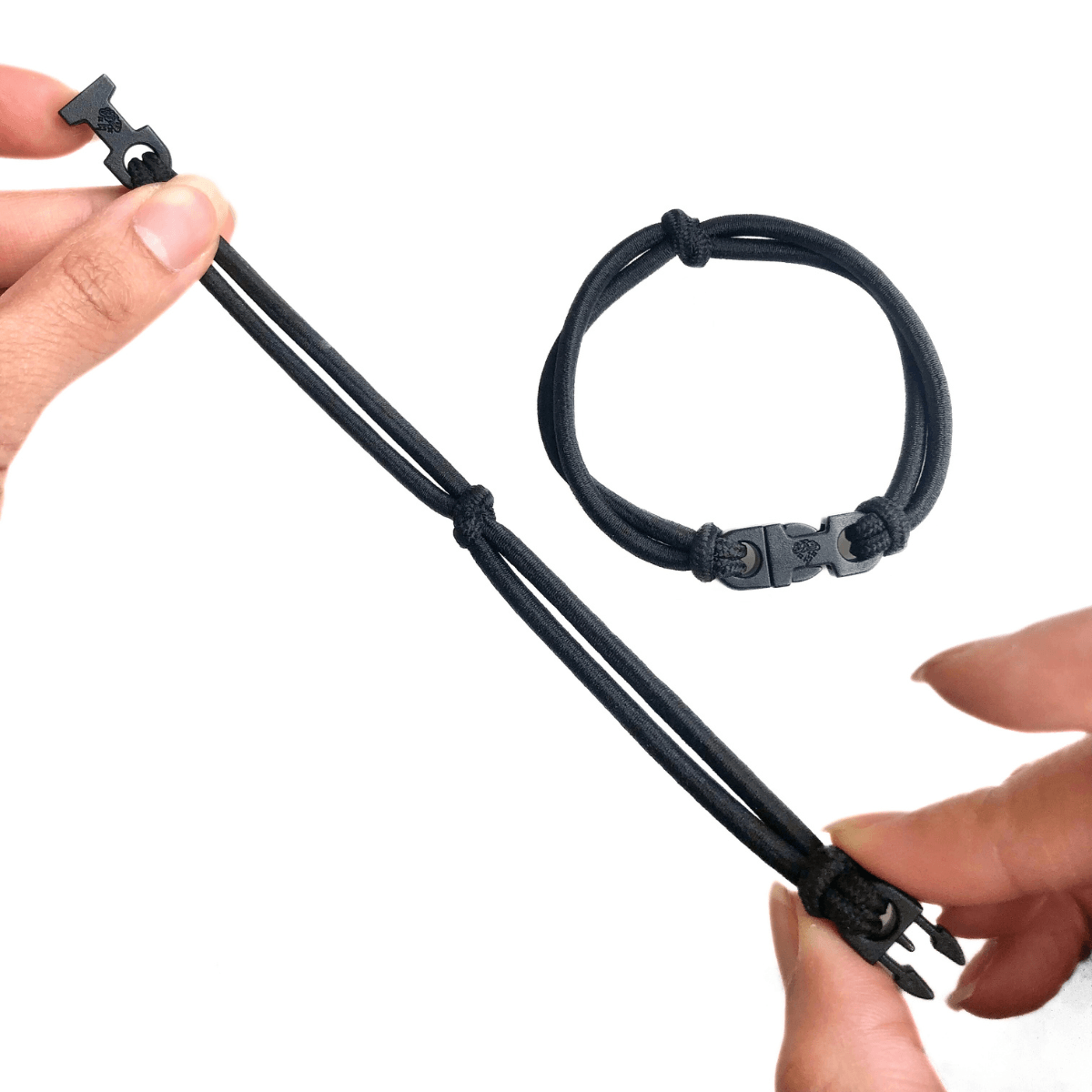
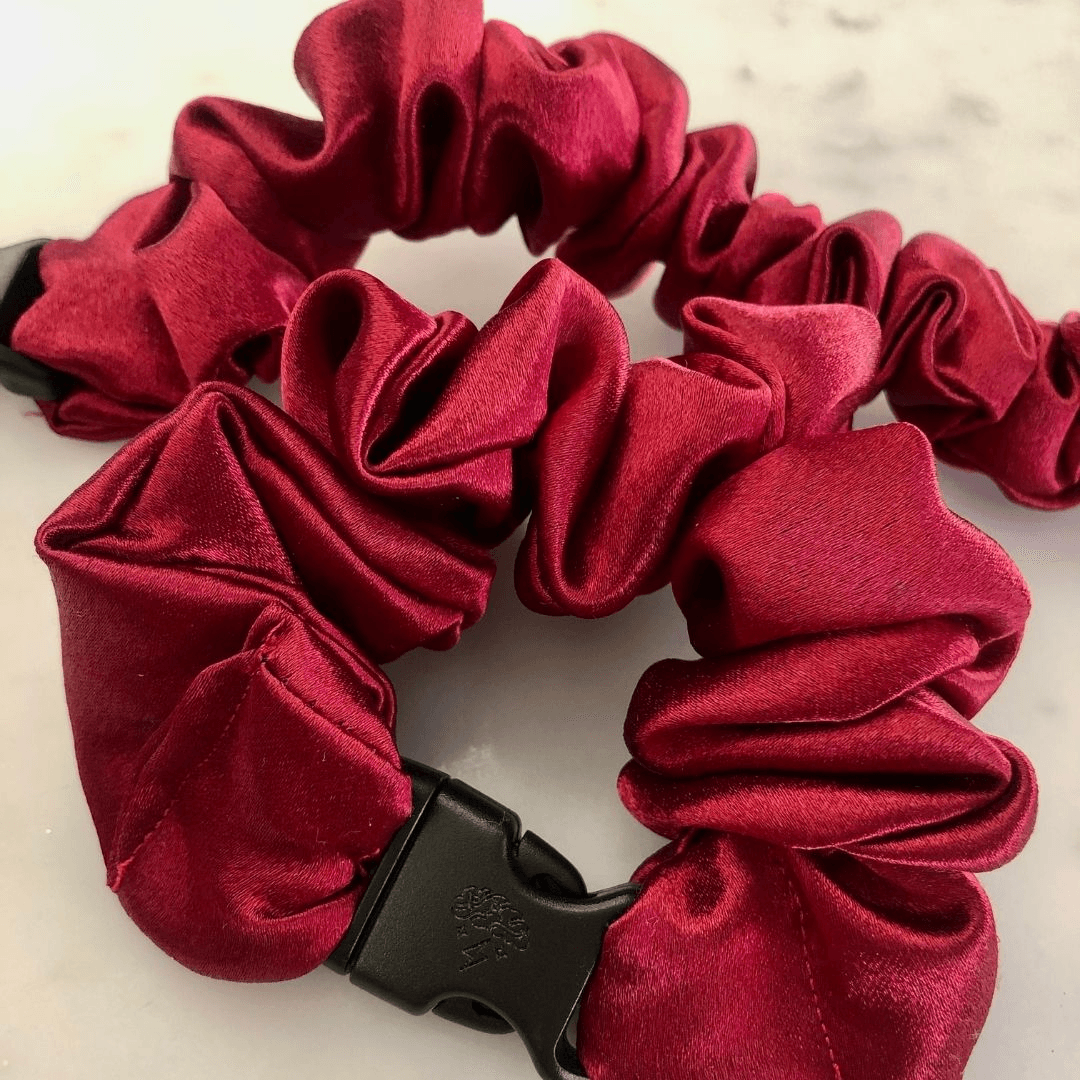
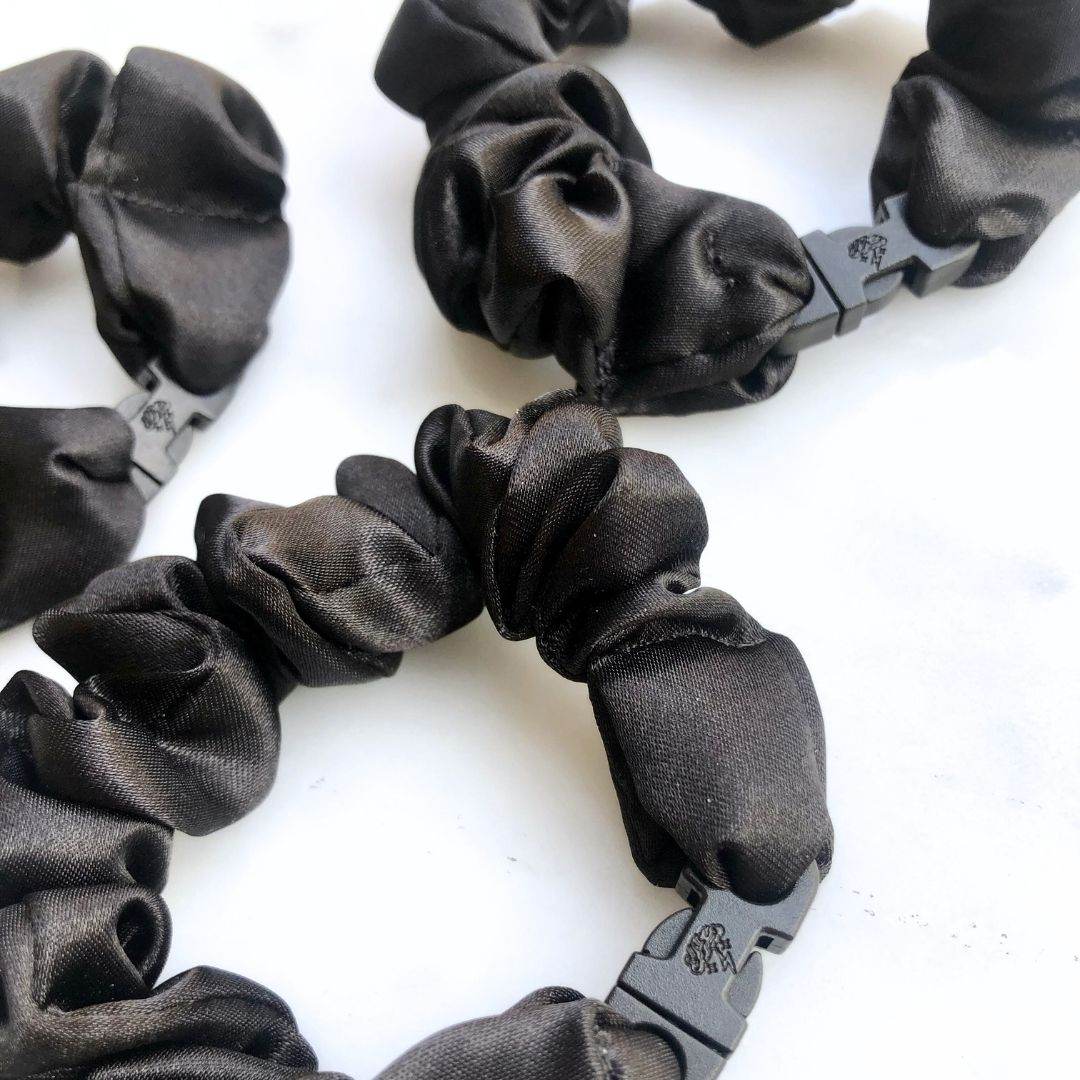
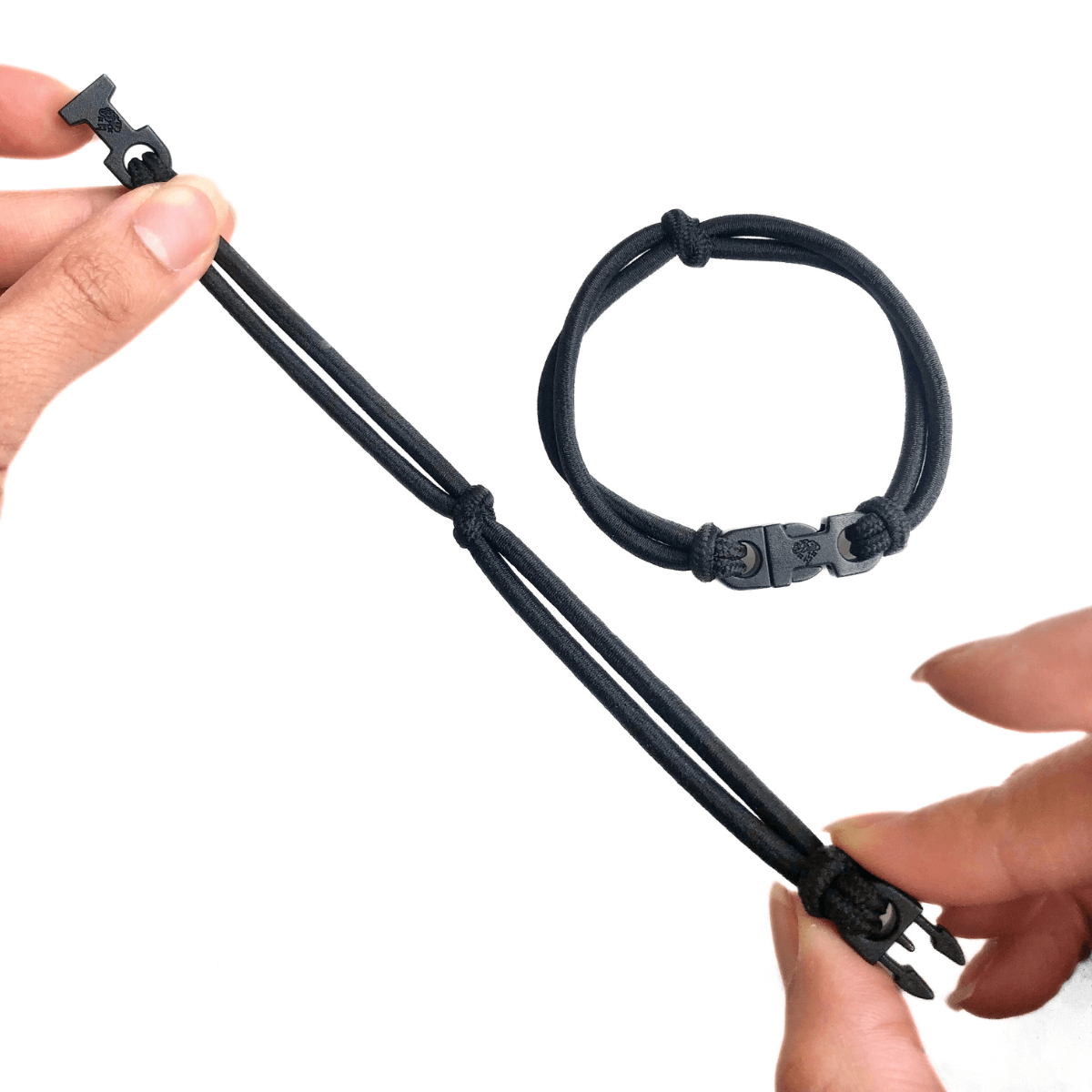
Buckle Scrunchies and Buckle Hair Ties open with a click instead of sliding out. Your hair falls loose without anything dragging through it, which removes the moment of highest friction in the entire day. It is the only easy release, zero tangle hair tie, and for anyone whose hair is breaking rather than thinning, it addresses the actual cause.
Thickness you were born with. Length you get to keep.