
Why Are Satin Scrunchies Better for Your Hair? What Dermatologists Say
Satin scrunchies are better for your hair than bare elastics for two reasons: the fabric covers the band, and its smooth face creates less friction as your ponytail moves. Dermatologists recommend covered bands over rubber and say satin or silk can reduce friction. What satin can't fix is a style that's too tight, or an elastic dragged down your hair at the end of the day.

What Breaks Hair When You Tie It Up
Hair ties do damage in three ways. Which one you're dealing with decides whether satin helps.
1. Friction
Every time a ponytail shifts, hair rubs against whatever's holding it, and rough surfaces rough up strands. Same idea as towels: the American Academy of Dermatology puts rubbing your hair dry on its list of 10 habits that can damage your hair.
2. Tension
A tie that's too tight pulls on the same roots all day. Cleveland Clinic notes that hair pulled back tightly with an accessory is prone to breakage. Keep it up for long enough and tight ponytails and buns can cause traction alopecia, a kind of hair loss.
3. Removal
Rolling a tight tie down a ponytail is pulling and tugging, which dermatologists also call out. It's where a lot of snapped strands and tangles come from, usually right after practice when your hair is damp with sweat.
Why Satin Helps
It covers the elastic
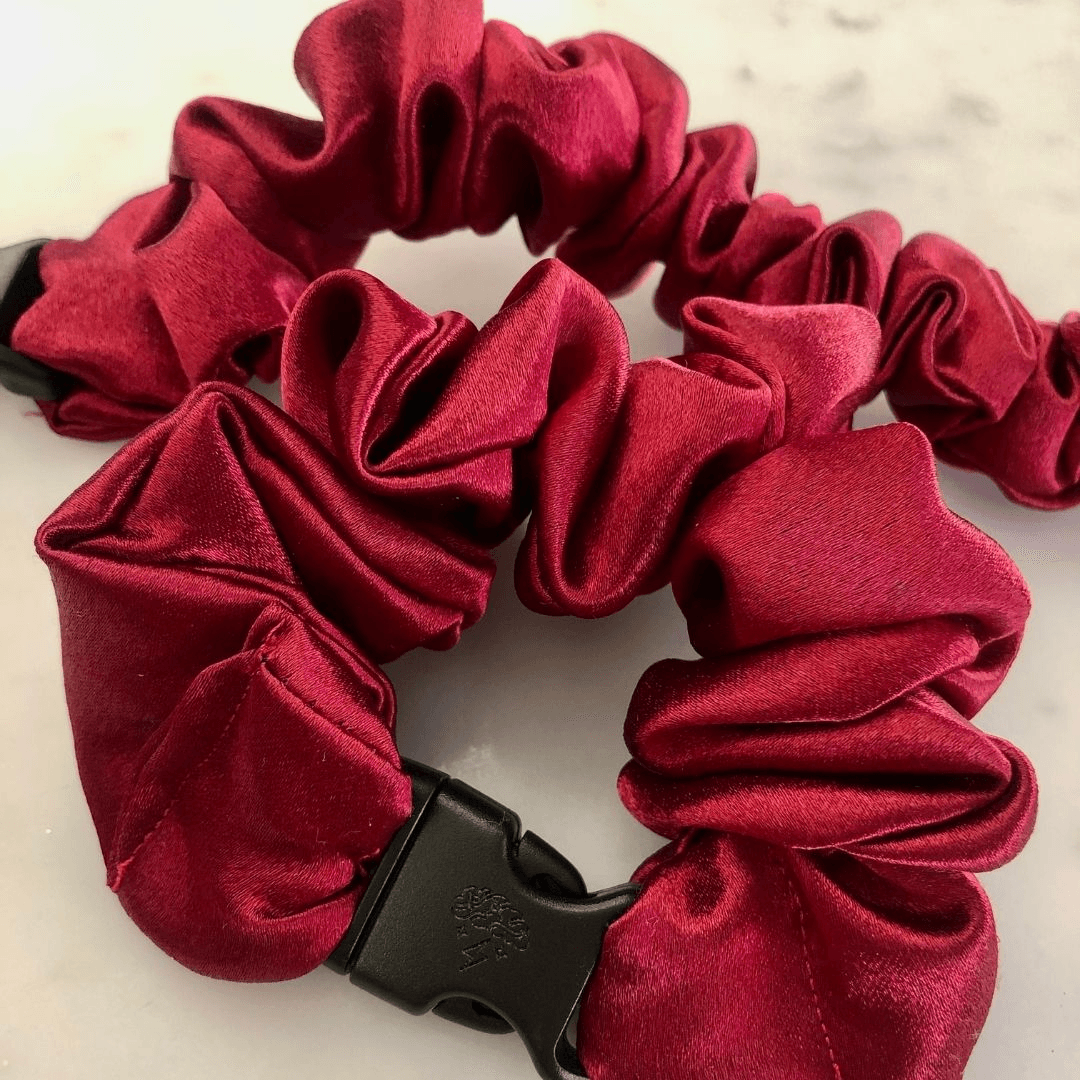
Bare rubber is the worst thing you can tie your hair with. Cleveland Clinic says never to use rubber-based bands, and the AAD recommends covered bands made for styling hair. Every scrunchie covers the elastic. Satin covers it with something smooth.
It's smooth, so there's less friction
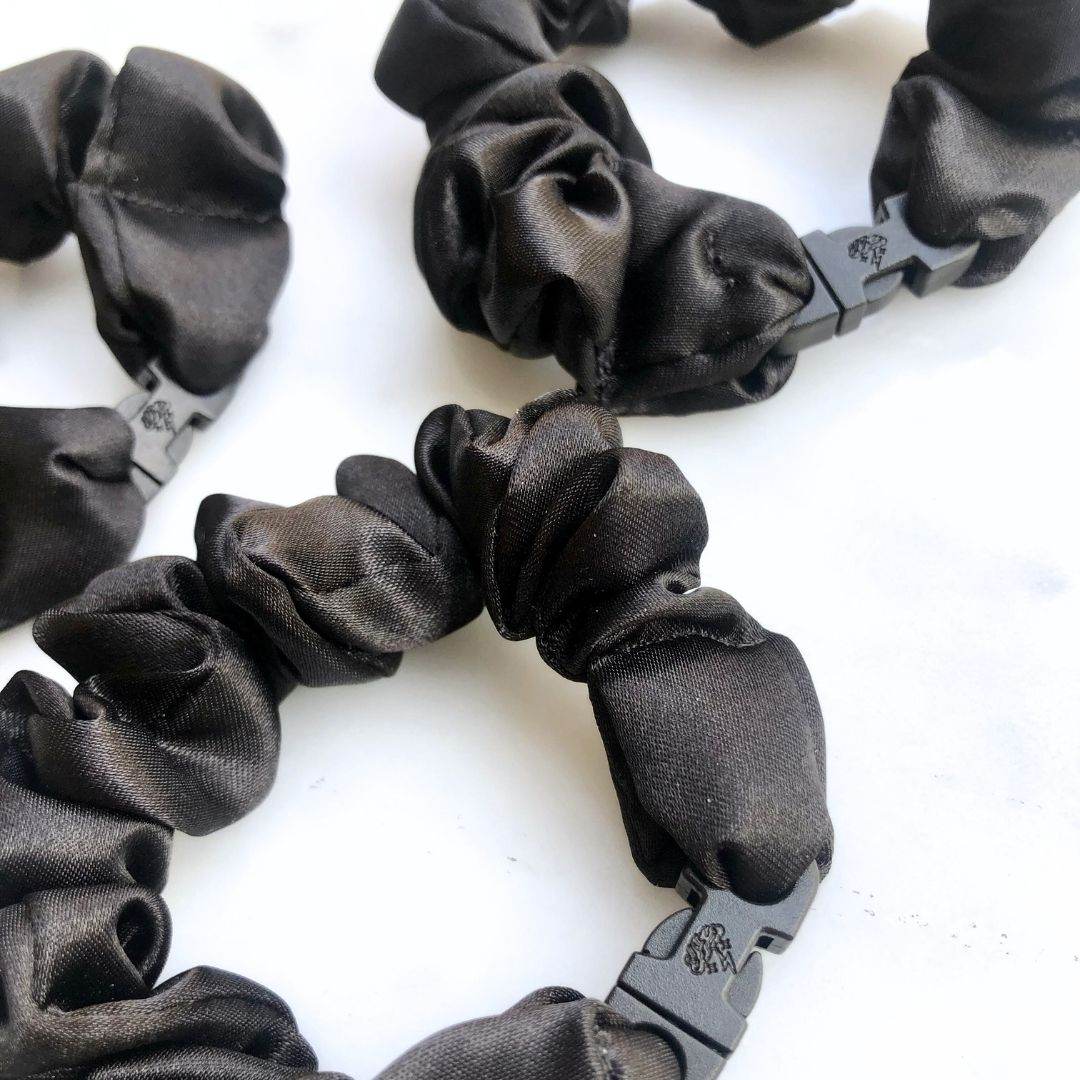
Satin is a weave with a slick, glossy face. In their curly hair tips, dermatologists say satin or silk bonnets and pillowcases may reduce friction and help a style last, and that friction can make hair easier to break. The fabric wrapped around your ponytail for nine hours works on the same principle.
It matters most for curly, coily, and fragile hair
Curly and tightly coiled hair breaks and dries out more easily than other types, the AAD notes. If that's your hair, a smooth scrunchie is an easy upgrade. See our picks for satin scrunchies for curly hair.
What Satin Can't Do
There's not much research on scrunchies specifically. The dermatology guidance is about friction, tension, and covered bands in general. Satin handles friction and covers the band. It does nothing for tension or removal, and a satin scrunchie cranked tight and yanked out every night can still break hair.
So keep the hold snug, not tight, since dermatologists recommend wearing hair loosely pulled back. Move your ponytail around so the same spot isn't under tension every day. And get it out without dragging it down your hair.

Where the Buckle Scrunchie Fits In
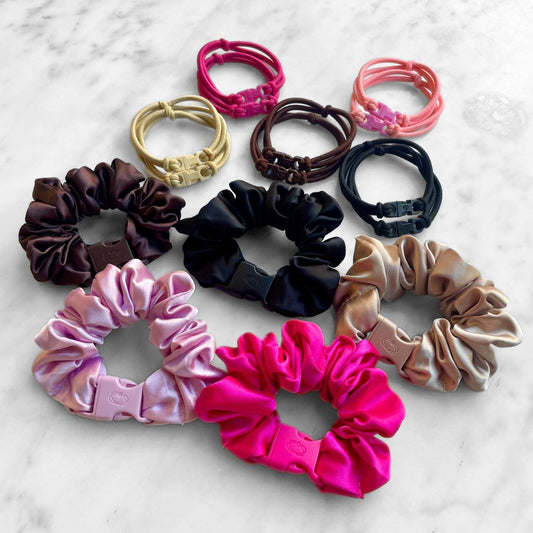
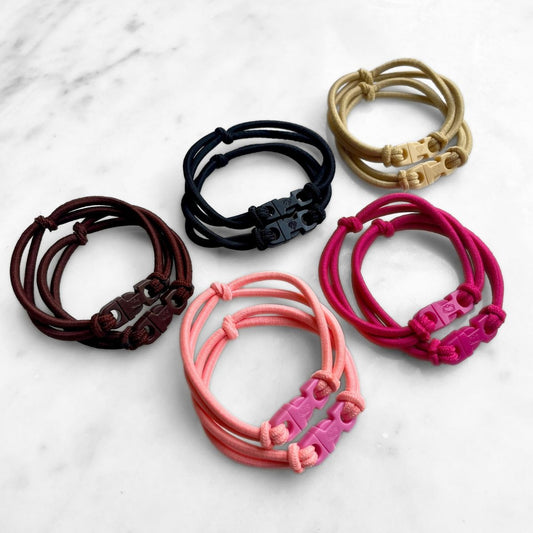
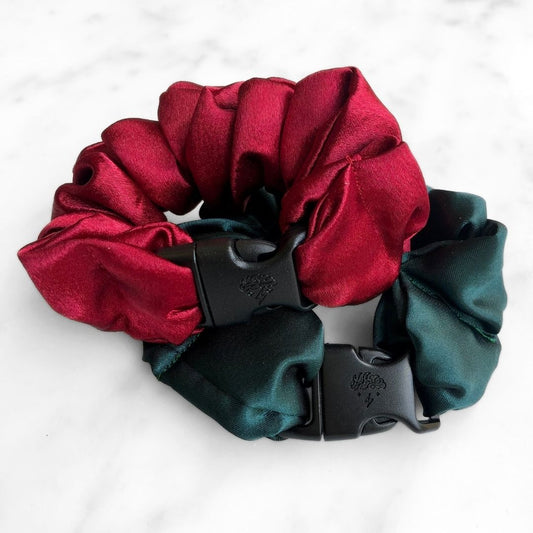
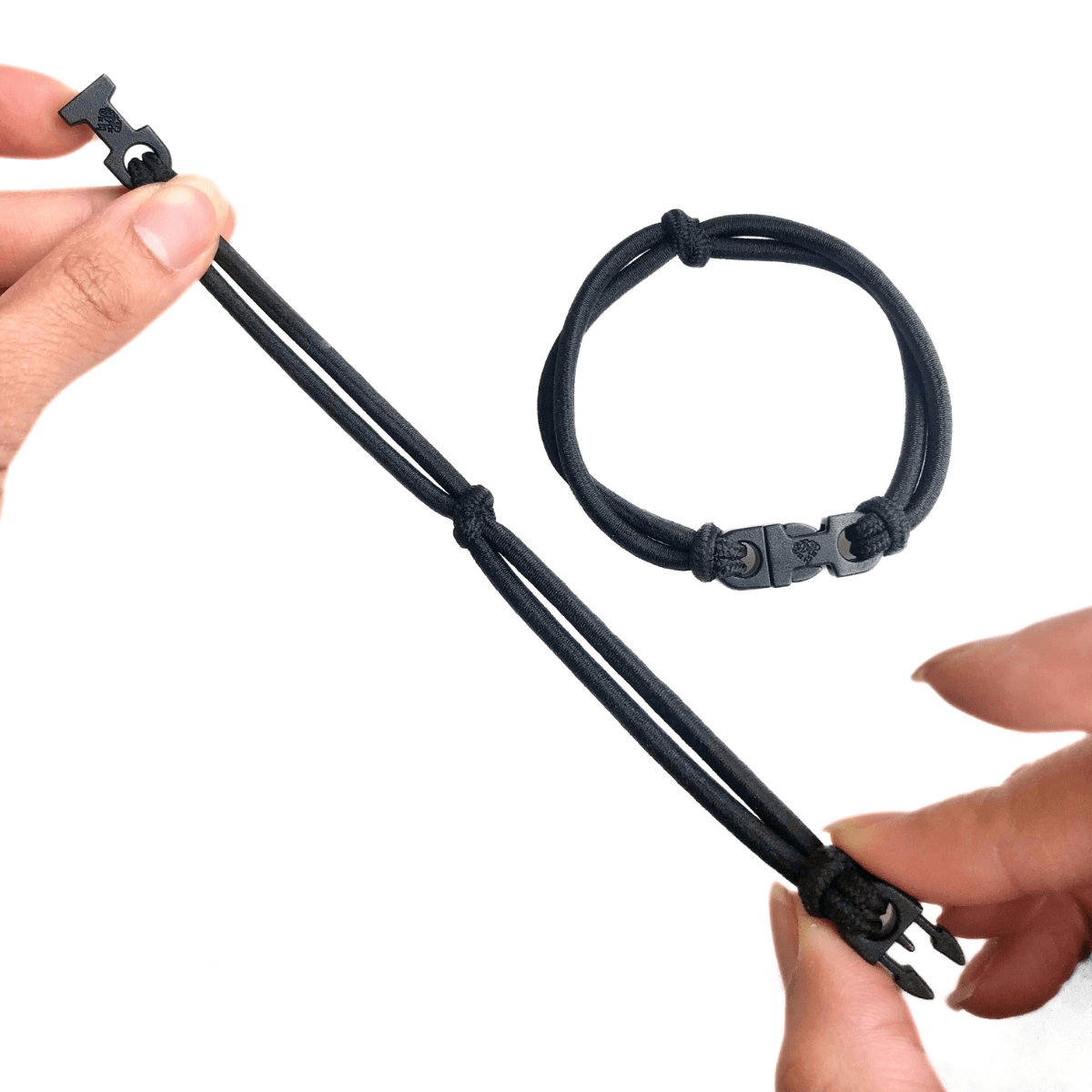
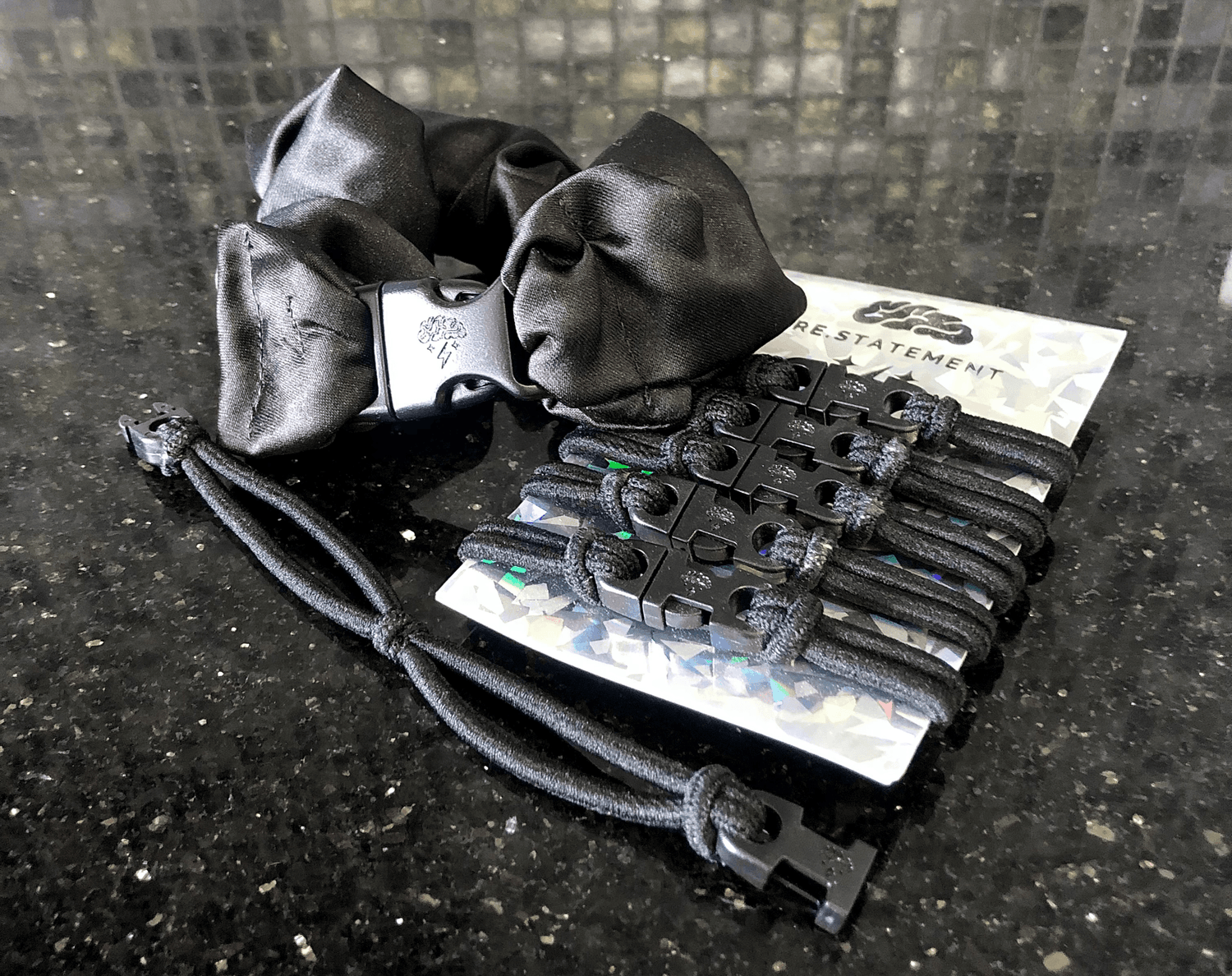
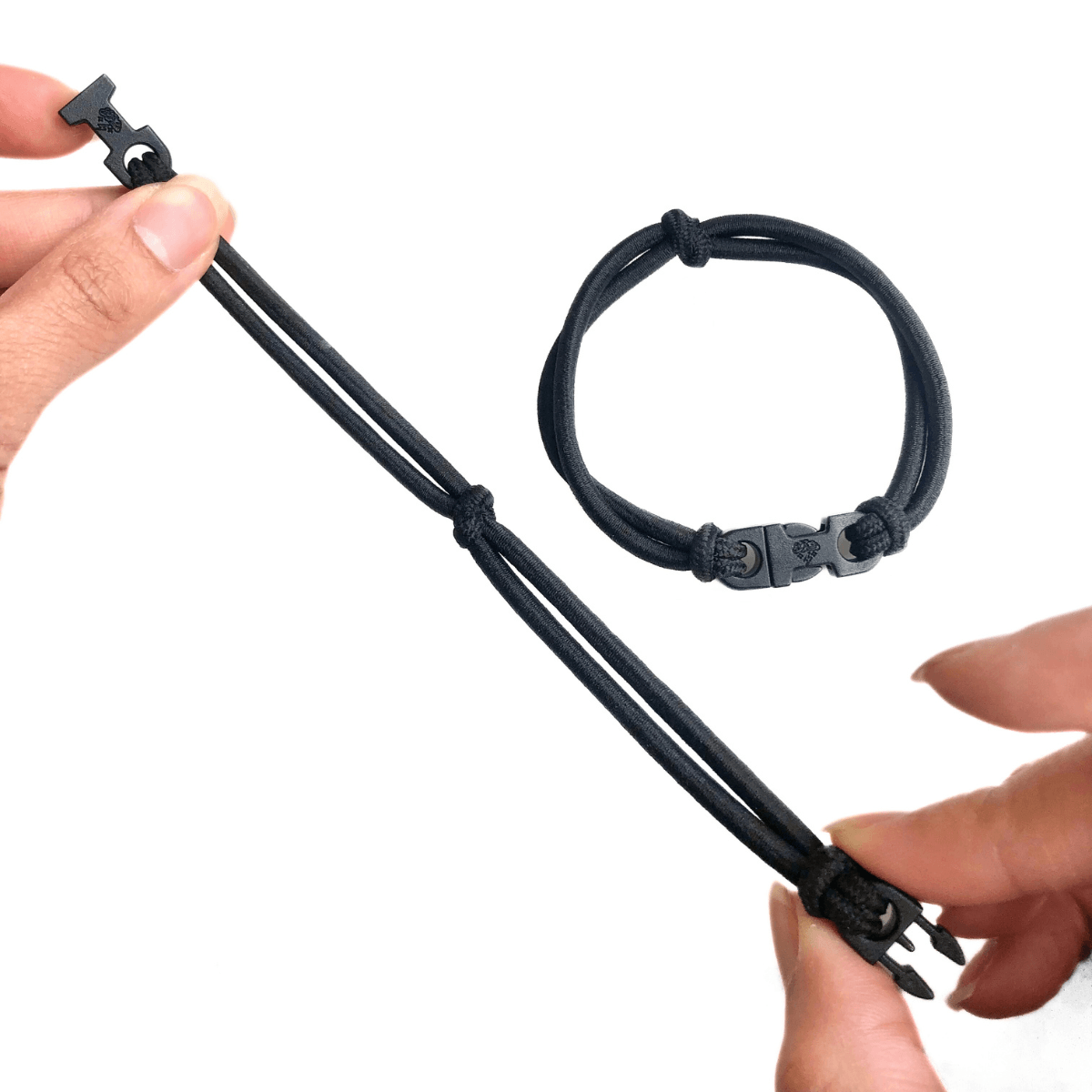
The Buckle Scrunchie handles the part satin can't: removal. It's a satin scrunchie with a click-open buckle. Wrap it two to four times, click the buckle on last, and press the buckle sides to open it. It unwinds instead of rolling down your ponytail, so nothing snags on the way out. The number of wraps sets the tension, which means a strong hold doesn't have to be a tight one.

Satin vs. Silk Scrunchies
Silk is a natural fiber. Satin is a weave, usually polyester, with a similar smooth face. Silk costs more and needs gentler care. For a scrunchie that goes to practice, the gym, and the wash, satin's the practical pick. We go deeper in are silk scrunchies good for your hair.
Shopping for one? Our guide on where to find the best satin hair ties covers what to look for and where to buy.
FAQ
Are satin scrunchies better than regular hair ties?
Better than bare elastics, yes. They cover the band and add less friction. But a tight satin scrunchie can still pull and break hair.
Do satin scrunchies prevent breakage?
They help on the friction side. To cut breakage further, tie your hair loosely and use a tie you can release instead of pulling out.
Can I sleep in a satin scrunchie?
Yes. A loose ponytail or braid at night cuts friction against the pillowcase. Keep it loose, toward the top or side of your head.
What if I'm already seeing thinning or broken hairs at my hairline?
Loosen your styles and see a board-certified dermatologist. The AAD says it's never too early to see one for hair loss.
Sources
- American Academy of Dermatology: 6 curly hair tips from dermatologists
- American Academy of Dermatology: 10 hair care habits that can damage your hair
- American Academy of Dermatology: Hairstyles that pull can lead to hair loss
- Cleveland Clinic: How to Keep Your Hair Healthy This Winter
- Buckle Scrunchies: How It Works