
What to Use to Slick Back Hair Without Breakage
To slick back hair, you need a leave-in or water mist on damp hair, a styling product for hold, a soft bristle brush, and a hair tie that stays put without pulling. Gel gives the glossy, wet look. Cream or pomade gives a softer one. The part most guides skip is taking it down, because gel-stiff hair that's been under tension all day snaps easily.

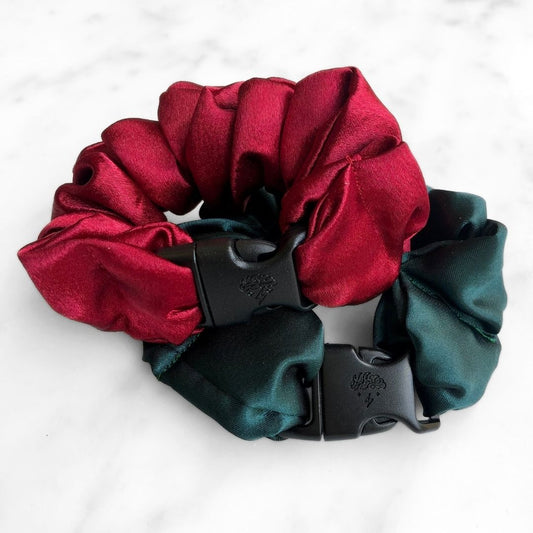
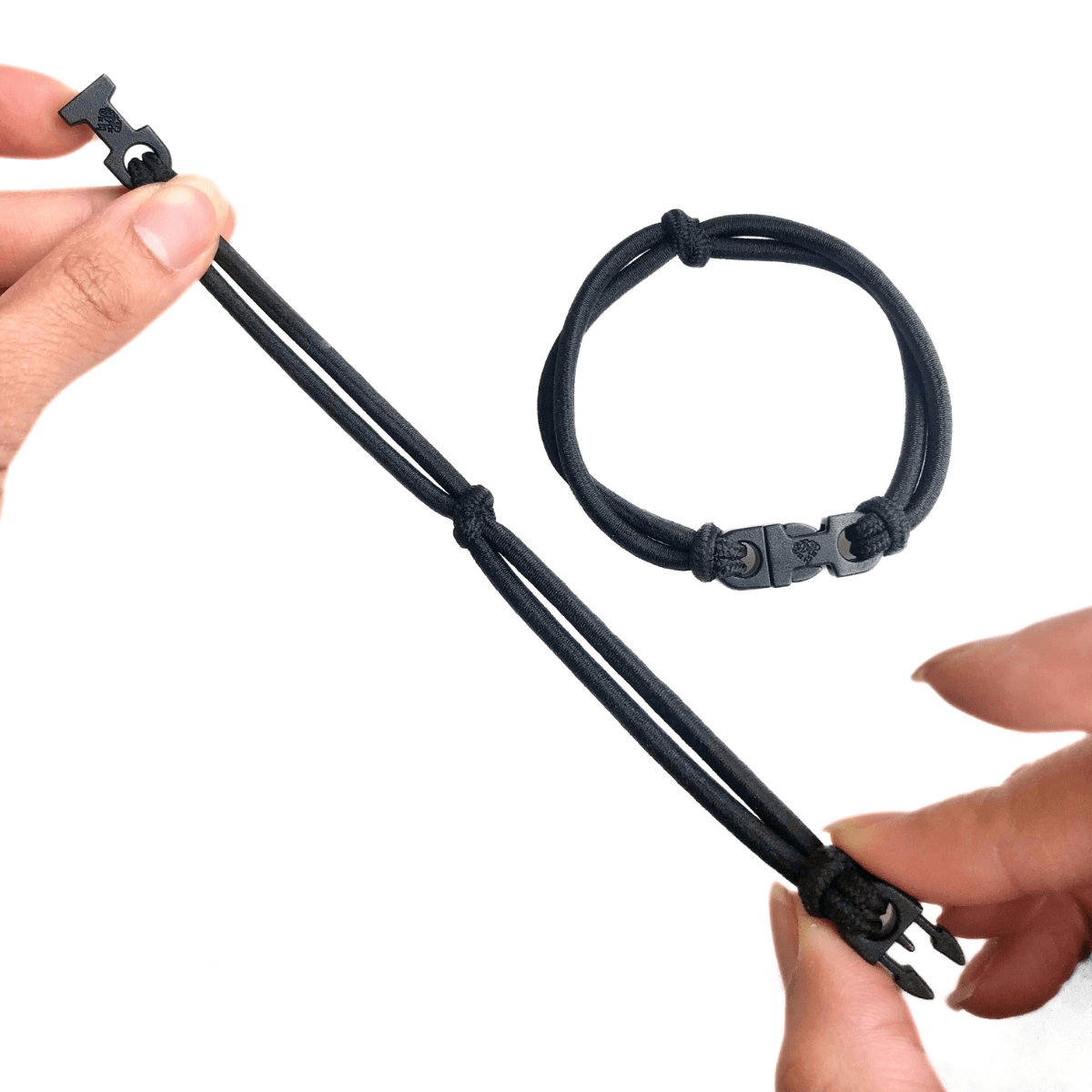
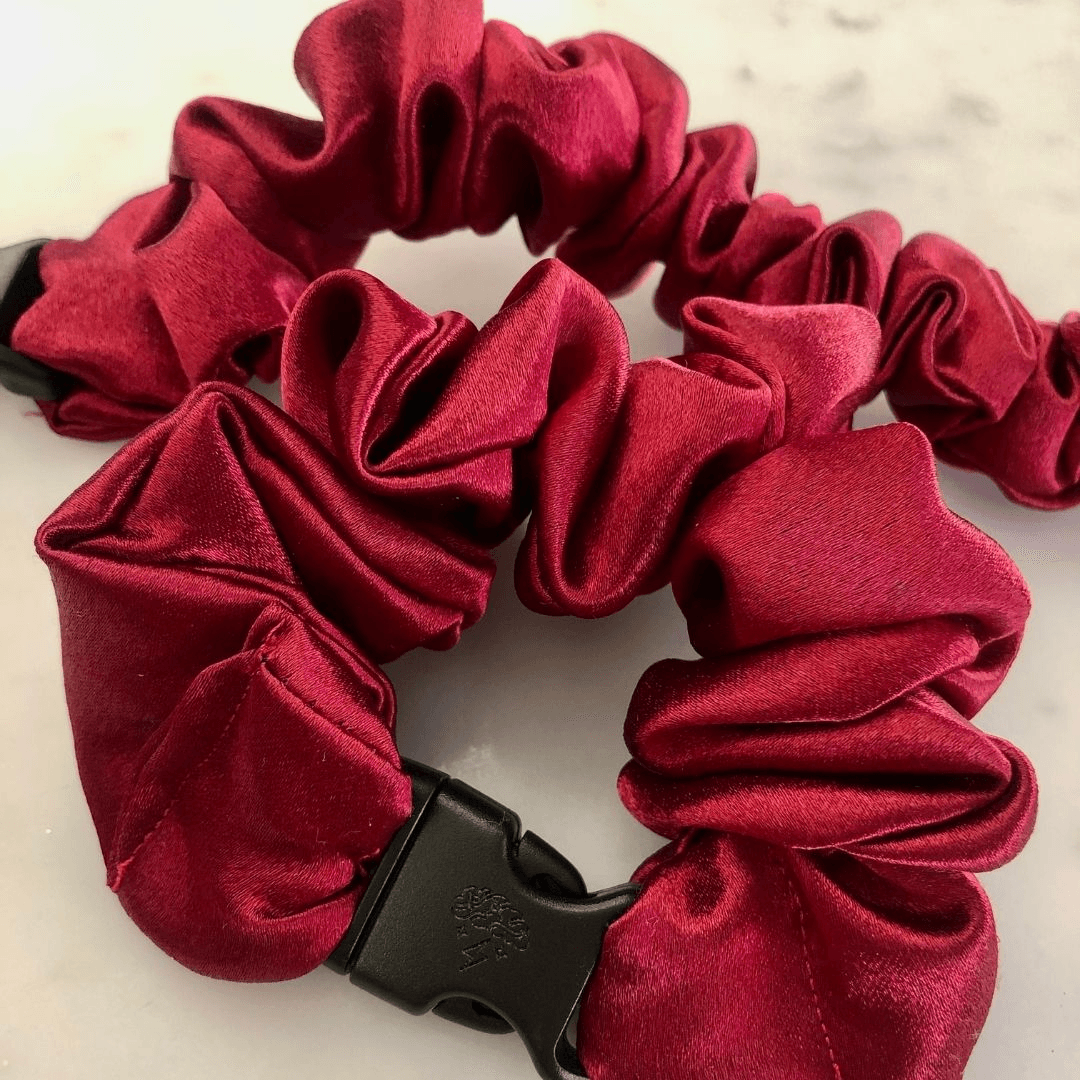
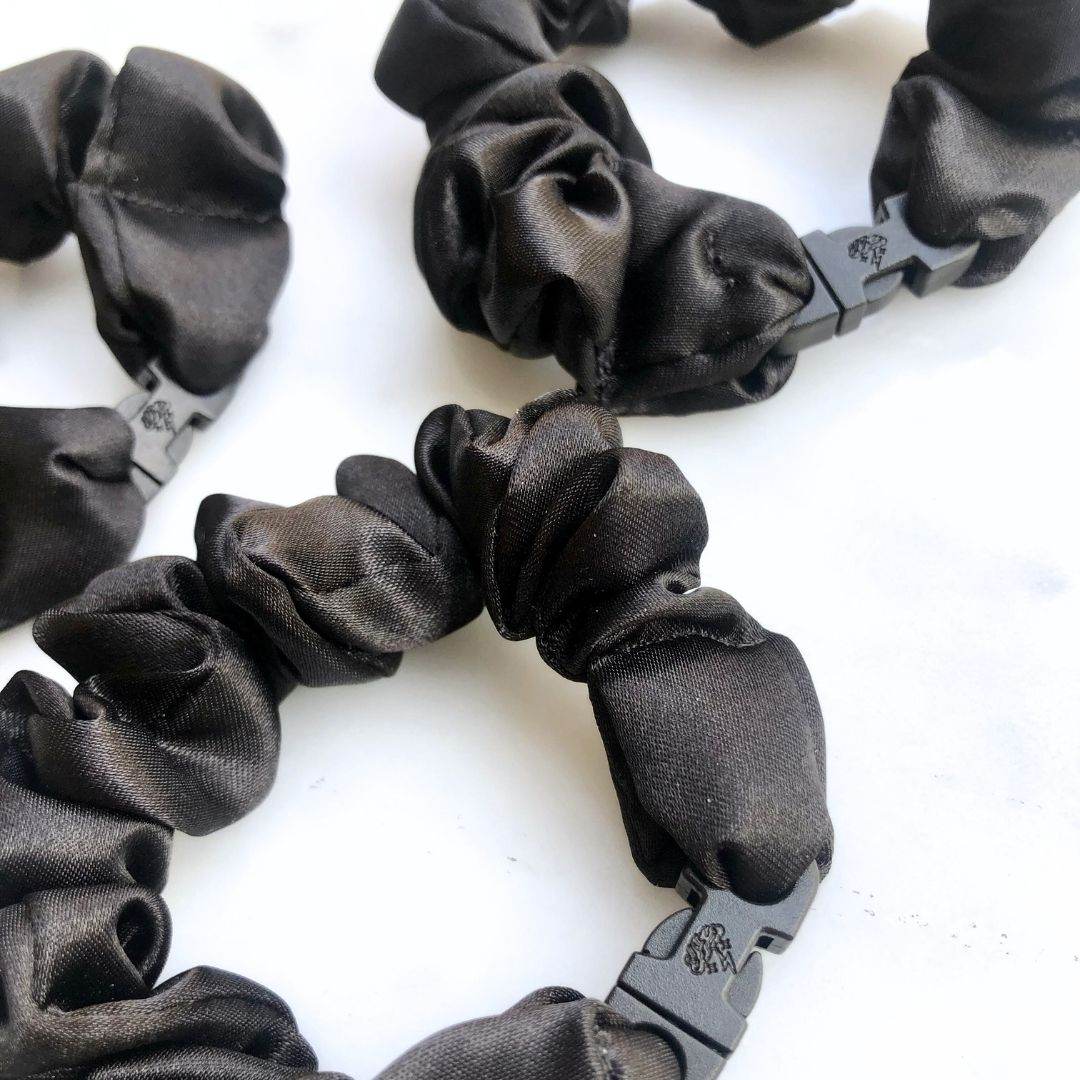
Taking down a slick back should feel like a release, not a rip. Click the buckle and the Buckle Hair Tie unwraps from gel stiff hair with no snagging and no tangles.
Add the 5 pack to cart, $12What to use to slick back hair
A leave-in or water mist
Damp hair smooths more easily than dry. A light mist of water or a spray leave-in gives the brush something to glide on, so it doesn't tug. Dermatologists at the American Academy of Dermatology suggest putting leave-in on slightly damp hair, off the scalp, in the smallest amount that works.
A styling product matched to the look
- Gel: the strongest hold and the wettest, glossiest finish. Competition buns, dance recitals, game day.
- Cream or pomade: a softer slick back you can still touch, for work or dinner.
- Smoothing serum or a few drops of oil: shine over either one.
- Light hairspray: optional, for flyaways.
Go easy on the strongest stuff. The AAD's guide to hair styling without damage recommends avoiding long-lasting hold products and warns that combing hair after they've set can cause breakage. Love a gel slick back? Brush it into place while the gel is wet. Then leave it alone until wash time.
A soft bristle brush and a wide-tooth comb
Detangle first with a wide-tooth comb, ends up. Then smooth the surface back with a soft or boar bristle brush. Only brush as much as the style needs. The 100 strokes a day thing? Dermatologists call it a myth.
A hair tie that holds without biting
A slick ponytail or bun asks a lot of a hair tie. It has to hold all day, through practice or a long shift, so most of us wrap the elastic as tight as it'll go and then drag it out at night through hair that's glued together.
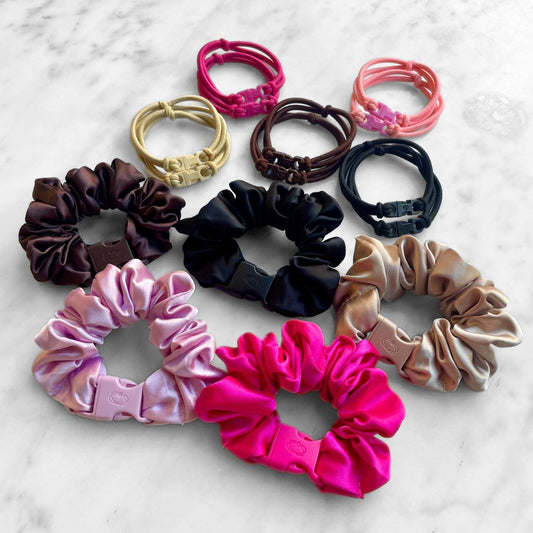
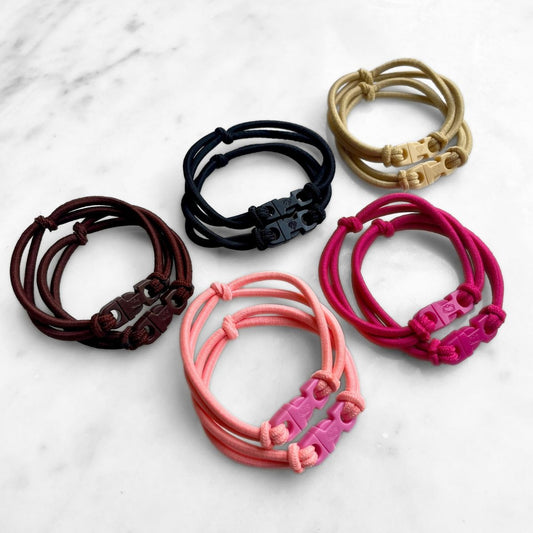
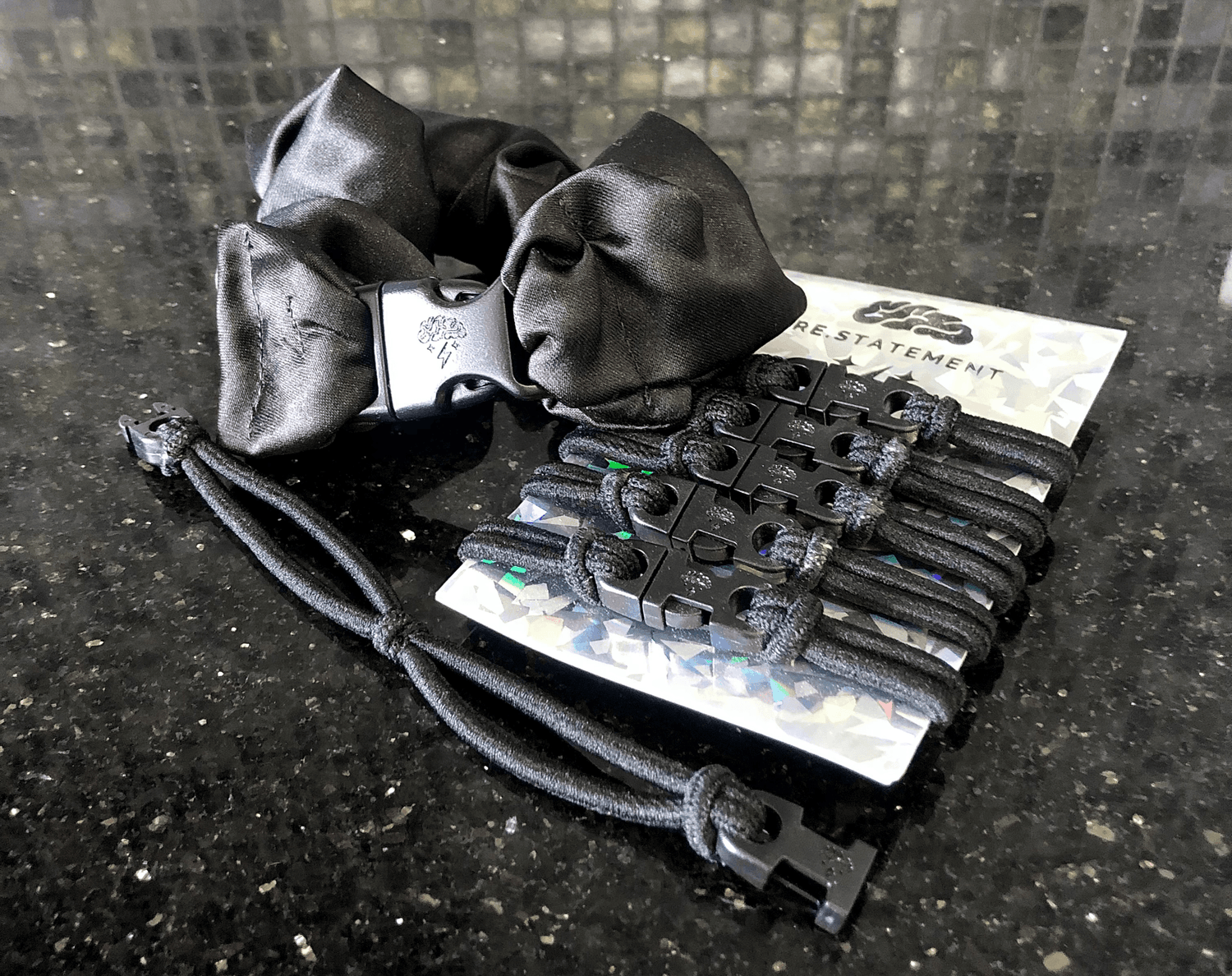
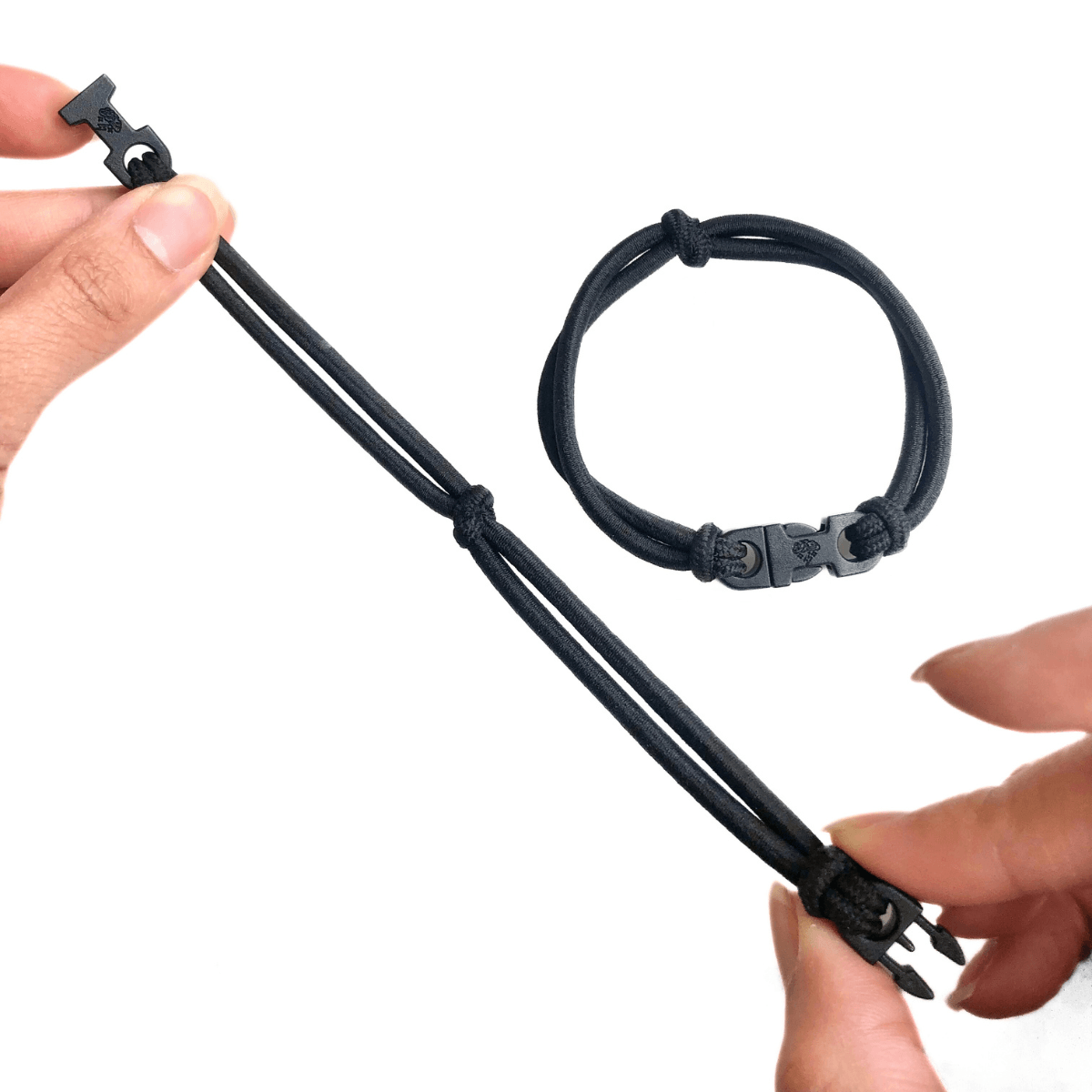
The Buckle Hair Tie is an 8 inch, extra stretchy elastic with a click-open buckle. Wrap it 2 to 4 times with the buckle going on last for a strong, secure hold. At the end of the day, press the buckle sides. It clicks open and unwraps, and nothing gets rolled down your hair. I cheered and played volleyball growing up, and I invented the Buckle Scrunchie at 13 because I hated how hair ties pulled. Shop all Buckle Hair Ties.

Why slick styles can lead to breakage
A slick back stacks up tight tension, stiff product, and a rough removal. Tension is the one dermatologists worry about. Tight ponytails, buns, and updos worn often can cause traction alopecia, hair loss that starts at the hairline, and the AAD names ballet dancers among those at higher risk. Its styling guide adds that wearing a ponytail constantly creates tension that can break hair.
You can keep the look. Just wear it a little differently.

A slick back needs a tie every time. Keep one in the gym bag, the car, and your desk with the Variety 10 pack in all five Buckle Hair Tie colors.
Add the Variety 10 pack to cart, $21How to slick back hair with less damage
- Start with damp, detangled hair and a light leave-in or water mist.
- Work your styling product through roots to ends with your hands.
- Brush everything back with a soft bristle brush toward where the ponytail or bun will sit.
- Secure it with a Buckle Hair Tie, 2 to 4 wraps, buckle on last. If it hurts, take a wrap off.
- Mist with hairspray if you want. Then stop touching it.
How to take it down
Click the buckle open and let the tie unwrap instead of pulling it down the ponytail. Don't brush through set gel; rinse it out or soften it with conditioner first. Then shampoo your scalp, condition, and detangle from the ends with a wide-tooth comb. The next day, wear something looser so the same spot isn't under tension again.
Athletes, dancers, and cheer teams wear slick styles more than anyone. If that's you, browse our hair ties for working out and read our daily routine to stop hair breakage.
FAQ
Is gel bad for your hair?
For most people, no. The concern is long-lasting hold products plus combing after they set. Brush while it's wet, then leave it.
How tight should a slick ponytail be?
Tight enough to stay, not tight enough to hurt. Pain, stinging, or crusts on the scalp mean it's too tight.
Can I slick back hair every day?
You can. Move where the tie sits and work in some looser days so the same hairs aren't always under tension.
What if I see broken hairs or thinning at my hairline?
Loosen up, switch styles, and talk to a board-certified dermatologist. Traction alopecia caught early is easier to treat.