
Does Running Help Hair Growth? Does Running Cause Hair Loss?
If you’ve searched "does running help hair growth" or "does running cause hair loss," you’re not alone. These are two of the most common questions among runners who notice shedding, changes in thickness, or increased hair fall during training.
The short answer is: running does not directly cause hair loss, and it does not directly make hair grow faster. But it can influence the conditions that affect your hair growth cycle.
Understanding what is actually happening biologically will clear up most of the confusion.
The Hair Growth Cycle (What Actually Controls Hair)
Hair grows in a continuous cycle made of three phases:
- Anagen (growth phase)
- Catagen (transition phase)
- Telogen (resting and shedding phase)
At any given time, most scalp hairs are in the anagen phase. It is normal to shed around 50–100 hairs per day as part of this cycle.
According to Harvard Health Publishing, temporary shedding conditions like telogen effluvium occur when more hairs than usual shift into the resting phase due to stress or physiological changes.
Does Running Cause Hair Loss?
Running does NOT directly cause hair loss.
Exercise does not damage hair follicles or permanently affect follicle structure. Genetic and hormonal factors are the primary drivers of true pattern hair loss.
However, running can be indirectly associated with temporary shedding in certain situations.
When Running Can Be Linked to Increased Shedding
In some people, especially endurance athletes, intense training can contribute to a temporary condition called telogen effluvium.
This can occur when the body experiences:
- High physical stress
- Calorie deficit or under-eating
- Insufficient recovery
- Elevated cortisol (stress hormone)
When the body is under stress, more hair follicles may prematurely shift from the growth phase into the resting phase, leading to increased shedding 2–3 months later.
The Cleveland Clinic notes that telogen effluvium is typically triggered by physical or emotional stress, illness, or nutritional changes.
Does Running Help Hair Growth?
Running does not directly increase hair growth rate, but it can support the biological conditions that allow healthy hair cycling.
Moderate, balanced exercise may:
- Improve blood circulation
- Support stress regulation
- Help balance cortisol levels
- Improve sleep quality
These factors can contribute to a healthier environment for normal hair growth cycles.
However, excessive training without adequate nutrition or recovery can have the opposite effect.
Why Runners Think They Are Losing Hair
Most perceived “running-related hair loss” falls into one of three categories:
1. Telogen effluvium
A temporary shedding phase caused by physical or emotional stress.
2. Nutritional deficiency
Common in athletes who do not consume enough:
- Protein
- Iron
- Total calories
3. Delayed shedding response
Hair shedding often reflects stress that happened months earlier, not current activity.
Best Running Hairstyles for Long Hair
Hairstyles do not affect follicle growth, but they DO affect breakage, tension, and mechanical damage.
High ponytail
Best for keeping hair off the neck during high-intensity runs.
Braided ponytail
Reduces tangling and friction during long-distance running.
Double braids
Very secure option for endurance running and outdoor conditions.
Bubble ponytail
Helps distribute tension and reduce knot formation in long hair.
Low ponytail or low bun
Reduces scalp tension and is ideal for recovery runs.
Why Hair Accessories Matter for Runners
One overlooked factor in hair damage is not growth, but removal stress.
Traditional elastics can:
- Snag wet hair
- Wrap tightly around strands
- Cause breakage during removal
This is especially noticeable after sweaty runs when hair is more fragile.
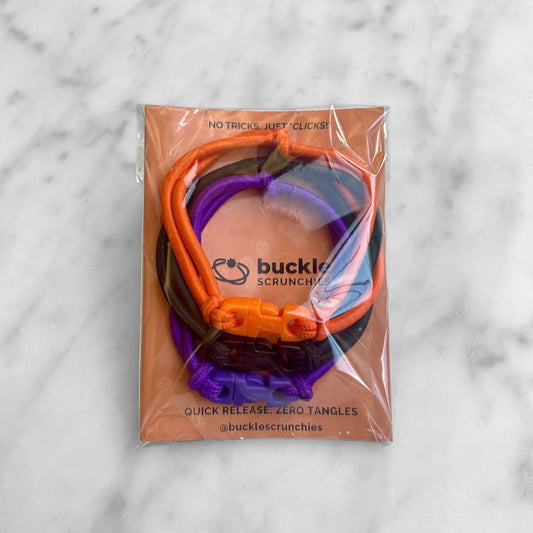
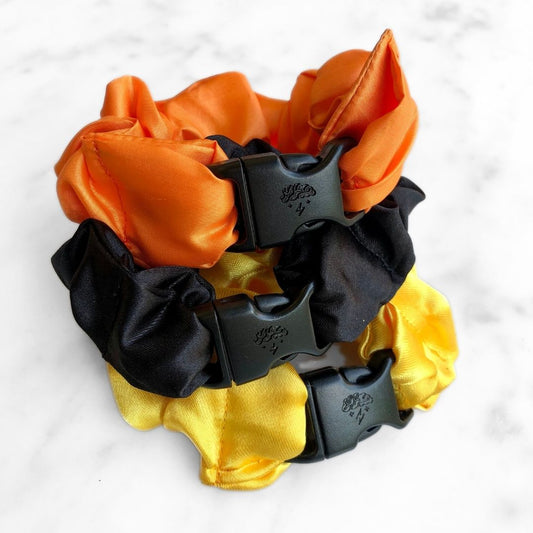
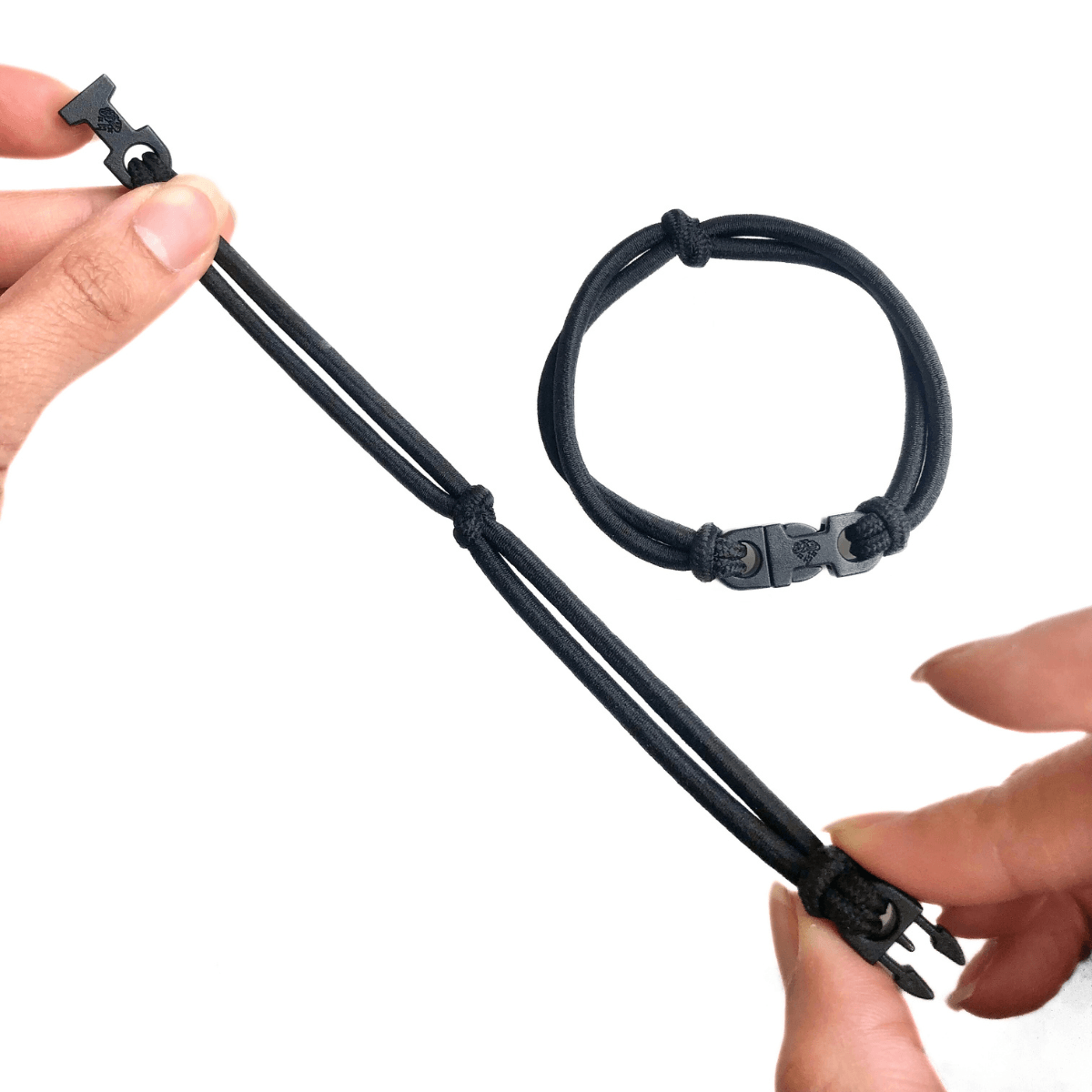
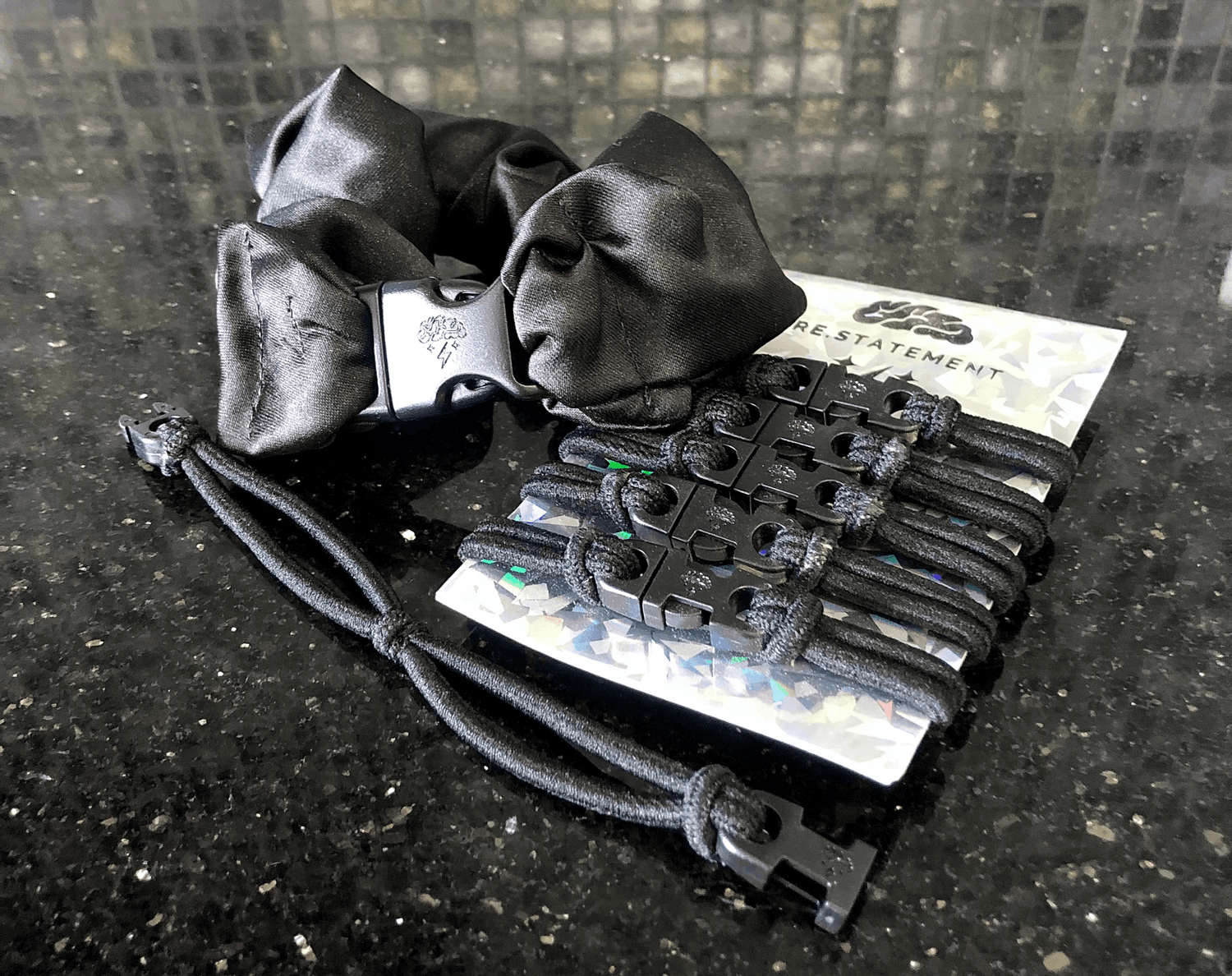
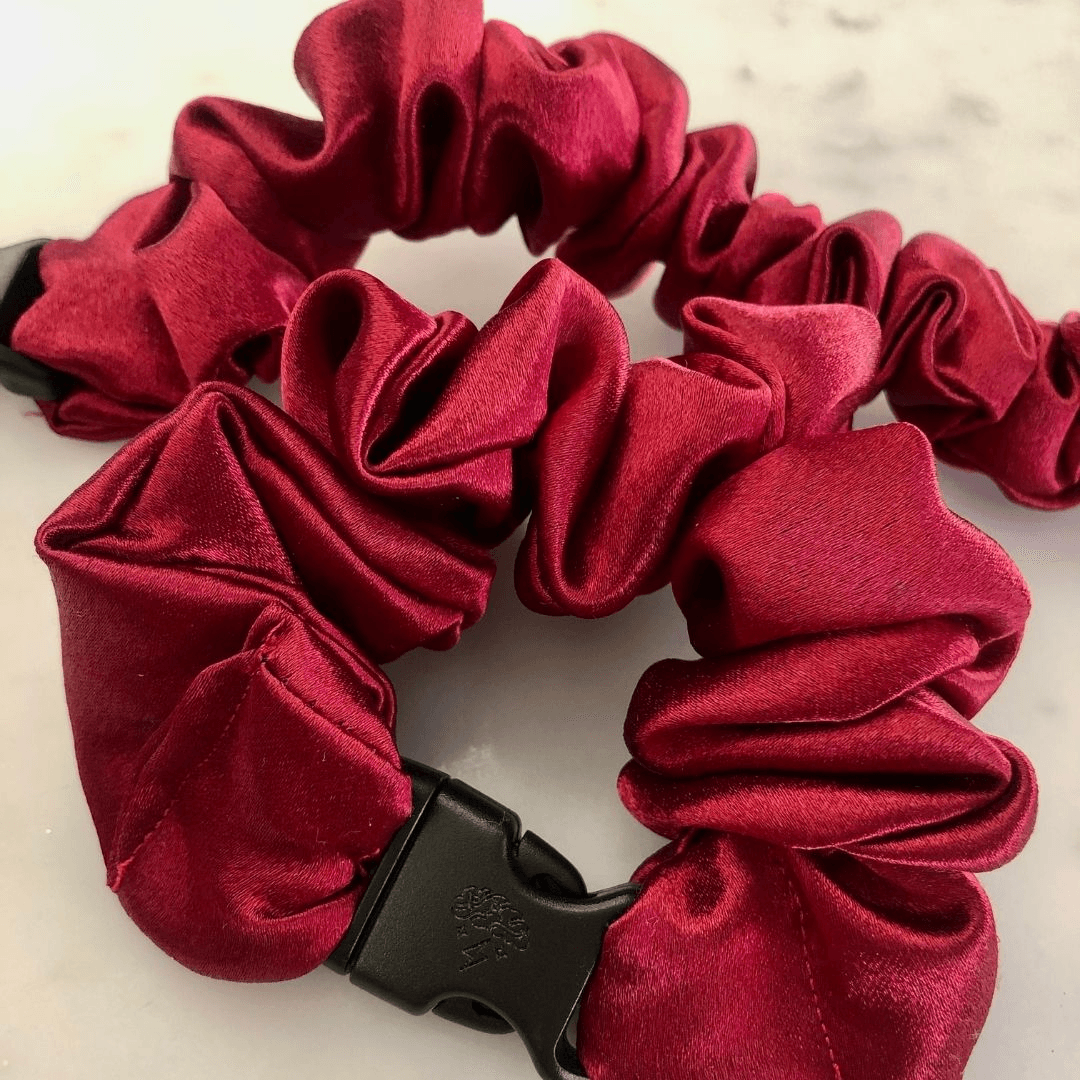
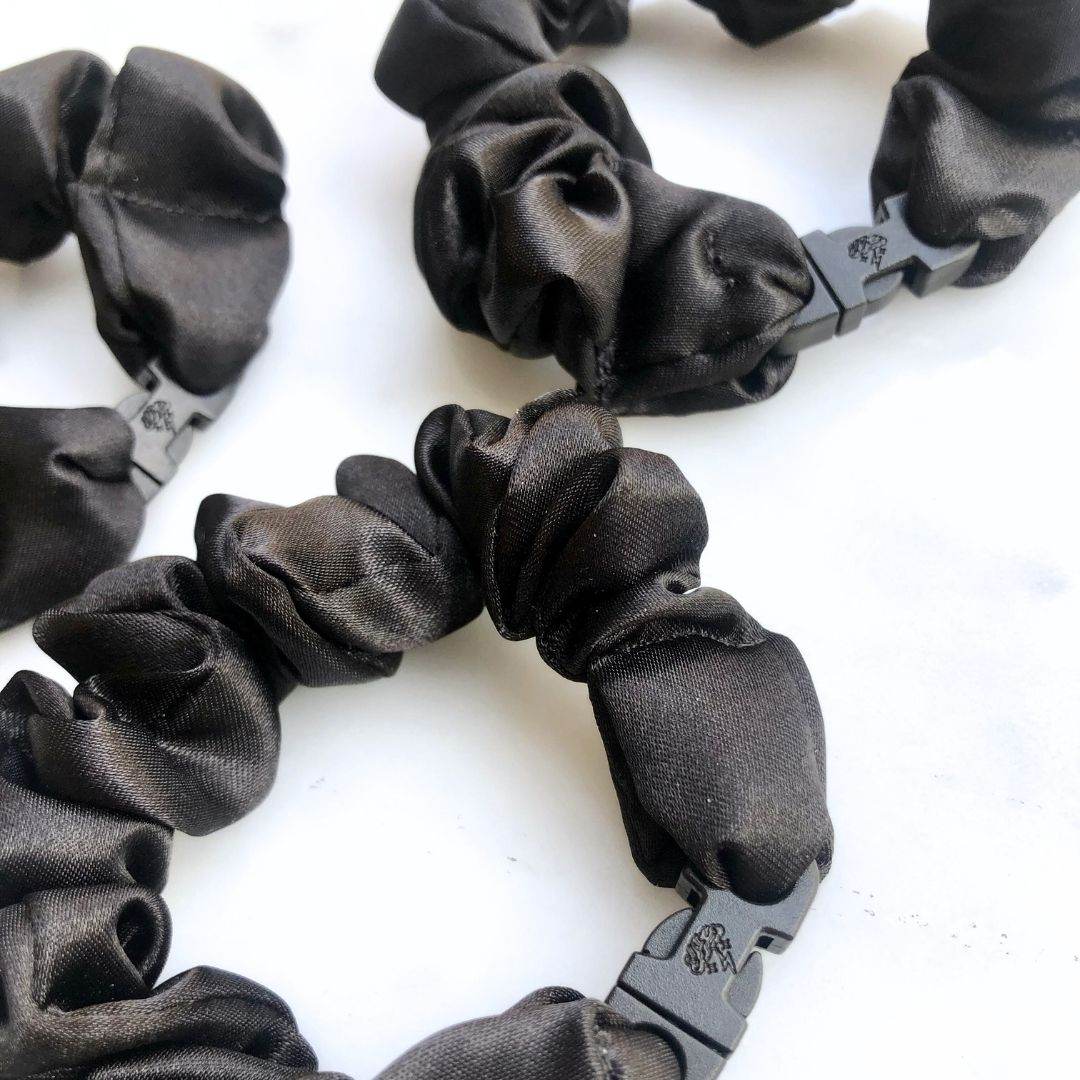
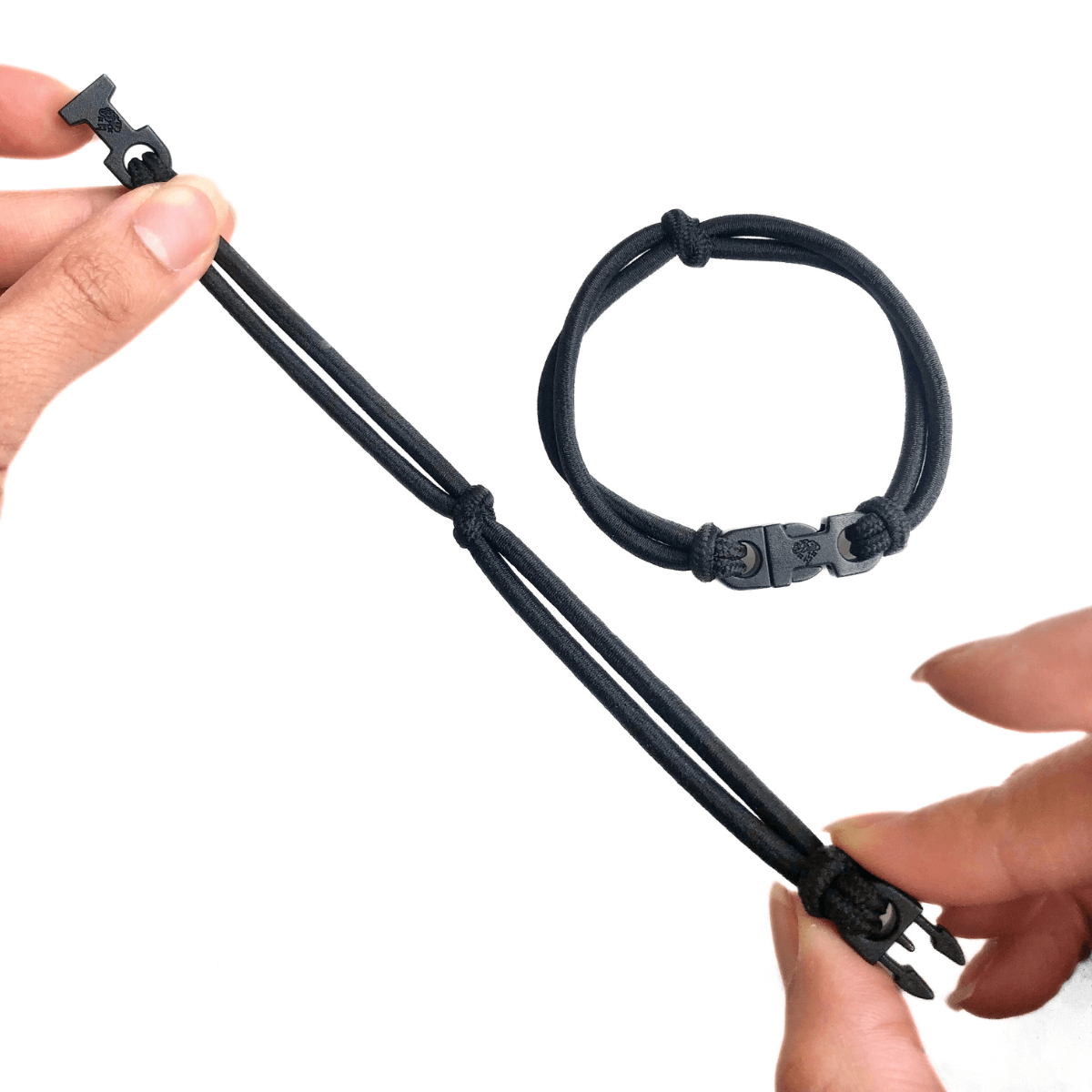
Buckle Scrunchies and Buckle Hair Ties reduce this issue by allowing the hair to be released without pulling.
Instead of dragging an elastic through tangled hair, you simply unbuckle it and release tension instantly.
This reduces mechanical breakage and makes post-run hair care significantly gentler.

Holds a sweaty ponytail the whole run, then clicks open at the finish instead of getting dragged through wet hair. No snagging, no tangles.
Shop the Buckle Hair TieDoes Running Help Hair Growth or Cause Hair Loss?
Here is the simplest breakdown:
Running helps hair health when:
- Nutrition is adequate
- Recovery is sufficient
- Stress is managed
- Training is balanced
Running may contribute to temporary shedding when:
- Training volume is too high
- Calorie intake is too low
- Recovery is insufficient
- Stress hormones remain elevated
Final Takeaway
Running does not directly cause hair loss or directly stimulate hair growth.
Instead, hair changes in runners are usually linked to stress balance, nutrition, and recovery.
If you are running with long hair, the biggest improvements often come from reducing mechanical stress, especially during tying and removing hairstyles.
Buckle Scrunchies and Buckle Hair Ties help reduce that post-run damage by making hair removal smooth, fast, and gentle, which can help reduce breakage over time.